


-

- Бронзовий пам’ятник військовому
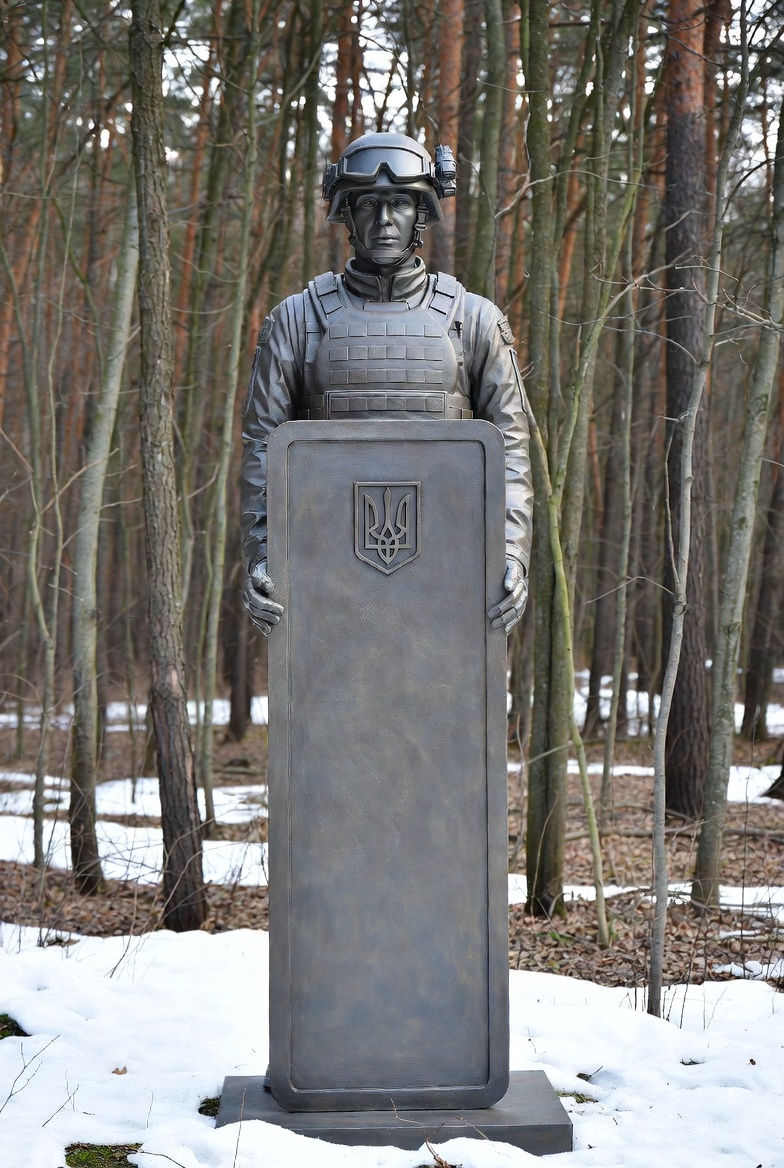
Bronze Monuments to Military Personnel: Immortalizing the Deeds of Defenders
Bronze monuments dedicated to military personnel serve as a vital part of Ukraine’s national memory. They honor the heroic acts of the country’s defenders, embodying courage, sacrifice, and deep patriotism. These memorials are placed in cemeteries, parks, public squares, and memorial complexes, serving as constant reminders of the true cost of freedom and independence.
РОЗРАХУНОК ВАРТОСТІ
Всього 7 кроків для отримання розрахунку
Historical and Cultural Significance
The tradition of erecting monuments to warriors has ancient roots, but in Ukraine it gained renewed momentum after the events of 2014 — the conflict in the east — and especially during the full-scale invasion. These monuments pay tribute to participants in the Anti-Terrorist Operation / Joint Forces Operation (ATO/JFO) as well as to the current defenders of the Armed Forces of Ukraine (AFU). They help preserve the memory of heroes, strengthen national identity, and pass on essential values to future generations. Beyond commemorating the fallen, such memorials inspire respect for everyone who continues to protect the nation.
Common design elements include portraits of soldiers, national symbols such as the Ukrainian flag, the tryzub (trident), or outlines of Ukraine’s map. Inscriptions like “Heroes Never Die” or “Glory to Ukraine” are frequently featured, along with crosses, angels, or military insignia that underscore themes of sacrifice and ultimate victory.
Materials and Their Advantages
Bronze stands out as a primary material for military monuments due to its exceptional durability and resistance to harsh weather conditions. It enables the creation of highly detailed sculptures that retain their appearance for decades. While bronze is often the main choice, other materials are also used — including granite, marble, concrete, gypsum, architectural stone, titanium-zinc, copper, stainless steel, aluminum, and fiberglass. The selection depends on the monument’s type and installation location, but bronze is particularly well-suited for outdoor sculptures requiring long-term resilience.
Types of Sculptures
Bronze military monuments come in various forms depending on their purpose:
- Monumental sculptures: Large-scale statues or ensembles depicting a soldier in full height, often incorporating AFU symbolism. These are typically placed in public spaces for broad communal remembrance.
- Grave markers and pedestals: Traditional headstones featuring portraits, crosses, and patriotic motifs, designed for individual commemoration.
- Park and interior figures: Smaller-scale works for parks, museums, or memorial areas — sometimes abstract shapes symbolizing struggle and unity.
- Facade and decorative elements: Reliefs or ornamental details with military themes integrated into building architecture.
- Creative art projects: Unique, bespoke designs that blend materials to convey emotions of loss, pride, and resilience.
Manufacturing Process
Creating bronze monuments demands meticulous attention to detail to ensure every element carries profound meaning. The process involves modeling, casting, and final finishing, with special emphasis on accurate representation and symbolic depth. This approach results in memorials that blend seamlessly into urban environments or dedicated memorial sites.
The company Gold Art Line carries out projects across Ukraine, including major cities such as Kyiv, Kharkiv, Odesa, Dnipro, Lviv, Zaporizhzhia, and Chernihiv.
Role in Society
Bronze military monuments do more than preserve historical memory — they continually remind society of the importance of unity and gratitude toward those who defend it. They become an integral part of the nation’s cultural heritage, helping people reflect on past and present events while honoring the heroes who made them possible.


