


-

- Скульптура для арт-проекта зі склопластику
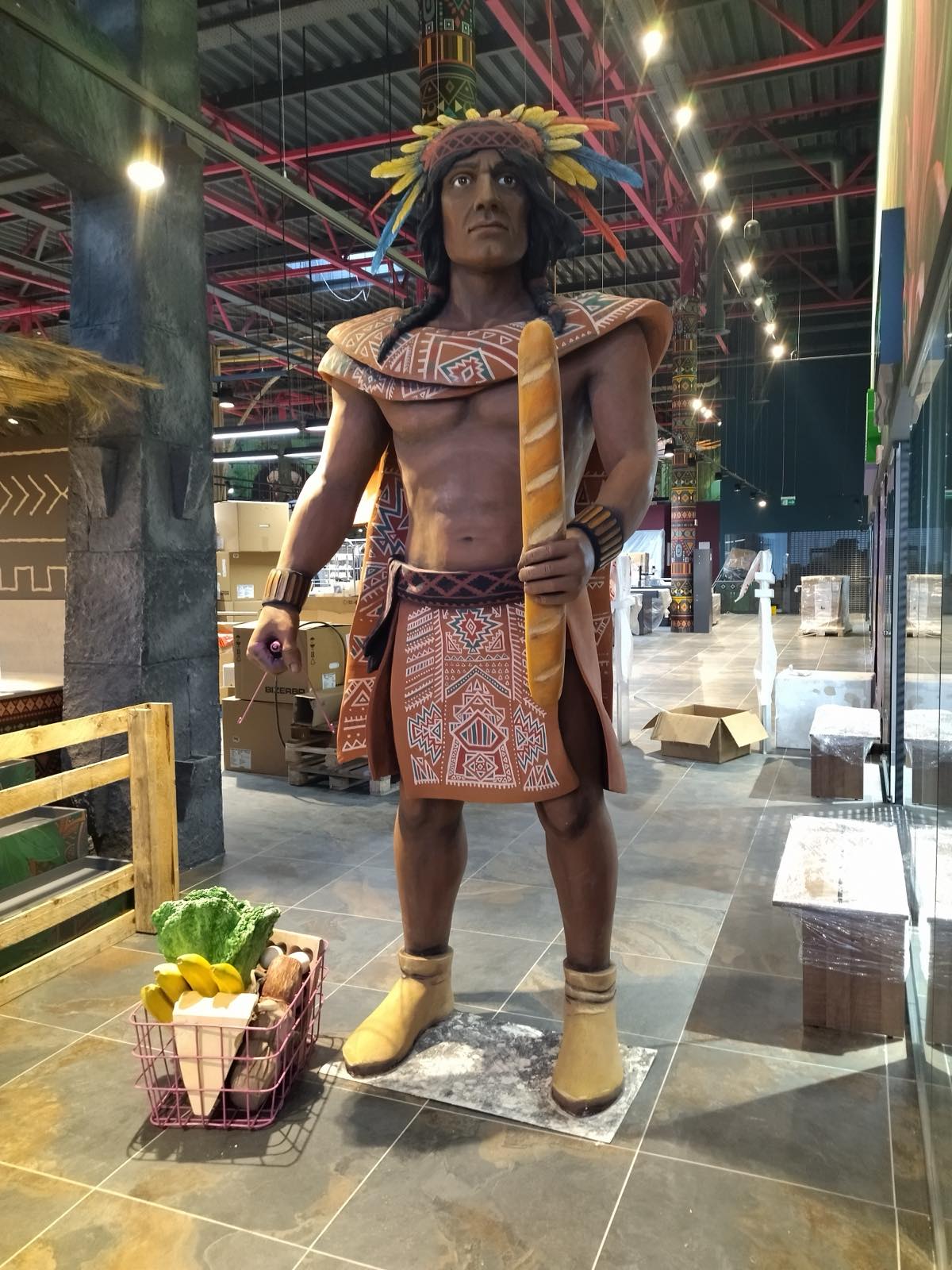
Fiberglass Sculptures for Art Projects: Features, Advantages, and Applications
In today’s art world, fiberglass sculptures are gaining huge popularity, especially in projects that demand lightweight, durable, and visually striking forms. Known internationally as fiberglass, this material lets artists bring complex ideas to life by blending traditional motifs with cutting-edge technology. In Ukraine, where the contemporary art scene is thriving in major cities like Kyiv, Lviv, Odesa, Kharkiv, and Dnipro, fiberglass sculptures are widely used for interior design, public installations, and bold experimental pieces.
РОЗРАХУНОК ВАРТОСТІ
Всього 7 кроків для отримання розрахунку
What is fiberglass and why is it so popular in sculpture?
Fiberglass is a composite made of glass fibers (the reinforcement) and synthetic resins that give it strength and flexibility. It first appeared in the mid-20th century and quickly became a favorite in art thanks to its versatility. Unlike traditional marble or bronze, fiberglass allows artists to create large-scale works without heavy weight, making transportation and installation far easier.
In art projects, fiberglass stands out because it can perfectly mimic natural textures — from smooth stone to rough wood or metal. Ukrainian artists, drawing inspiration from national heritage such as Trypillian plastic art or Scythian motifs, often combine fiberglass with other elements to produce fresh, modern interpretations. You can already see striking examples in Kyiv and Lviv, where fiberglass figures seamlessly integrate into urban spaces and highlight cultural roots.
Advantages of fiberglass in art projects
Fiberglass offers several key benefits that make it ideal for artistic work:
- Lightweight yet incredibly strong — it weighs much less than metal or stone but easily handles mechanical stress. This is perfect for large installations that don’t require extra structural reinforcement in interiors.
- Excellent weather resistance — it is unaffected by moisture, UV rays, or temperature swings, so it works equally well indoors and outdoors. In cities with changeable climates like Odesa or Kharkiv, these sculptures keep their fresh look for years.
- Unlimited shaping and texturing possibilities — thanks to casting and 3D modeling, artists can create abstract, geometric, or figurative forms and experiment with lighting and color effects.
- Eco-friendly and affordable — modern fiberglass often includes recycled components, aligning with sustainable art trends. It is also significantly cheaper than natural materials, giving young artists in Dnipro and other regions more creative freedom.
Companies like Gold Art Line, specialists in composite materials, show how fiberglass can serve as the foundation for truly innovative sculptures while preserving high aesthetic value.
Applications of fiberglass sculptures in art projects
Fiberglass sculptures are used across many types of projects, especially interior design. They can be classic (human figures or mythological scenes), abstract (geometric shapes with rich textures), or functional (lamps, furniture elements).
- Interior art projects: In private homes and offices in Kyiv, fiberglass pieces add energy and depth. Tabletop or floor sculptures fit perfectly into minimalist interiors, while wall-mounted works create an illusion of volume. In public spaces like hotels in Odesa, large installations become the main focal point.
- Public installations: In parks in Kharkiv or streets in Lviv, fiberglass is used for monumental sculptures that interact with their surroundings. Contemporary Ukrainian sculpture often draws on gigantism and interactivity, incorporating eco-themed or interactive objects.
- Experimental projects: In Dnipro and beyond, artists combine fiberglass with biomaterials or 3D printing to create works that transform public spaces and comment on social issues — a trend that resonates globally.
In the Ukrainian context, fiberglass sculptures continue the traditions of animalistic art and small-scale plastic forms but with a strong modern innovative twist.
Real-world examples in Ukraine’s major cities
Across Ukraine, fiberglass is actively shaping urban environments. In dynamic Kyiv you’ll find these pieces in contemporary galleries and business-center interiors. Historic Lviv uses fiberglass to complement its architecture, creating exciting contrasts between classic and modern. Coastal Odesa inspires marine-themed sculptures that withstand salty air, while industrial Kharkiv blends abstract forms with factory motifs. Dnipro, a hub of contemporary art, regularly hosts experimental fiberglass projects that attract international attention.
Tips for choosing and caring for fiberglass sculptures
When selecting a sculpture, match its scale and style to the space: compact forms for small rooms, bold installations for large halls. Harmony with the room’s color palette and furniture is essential. Smart LED lighting can bring the piece to life and add dynamism.
Care is simple: wipe dust with a soft cloth, avoid direct sunlight, and maintain normal humidity levels. With minimal effort, your sculpture will stay beautiful for decades.
Fiberglass sculptures are a smart, versatile solution for art projects that perfectly combine practicality with powerful artistic expression. From Kyiv to Dnipro, this material is helping Ukrainian artists push contemporary sculpture forward and enrich the cultural landscape. By taking full advantage of its strengths, creators can produce works that not only beautify spaces but also invite viewers to reflect on the role of art in everyday life.


