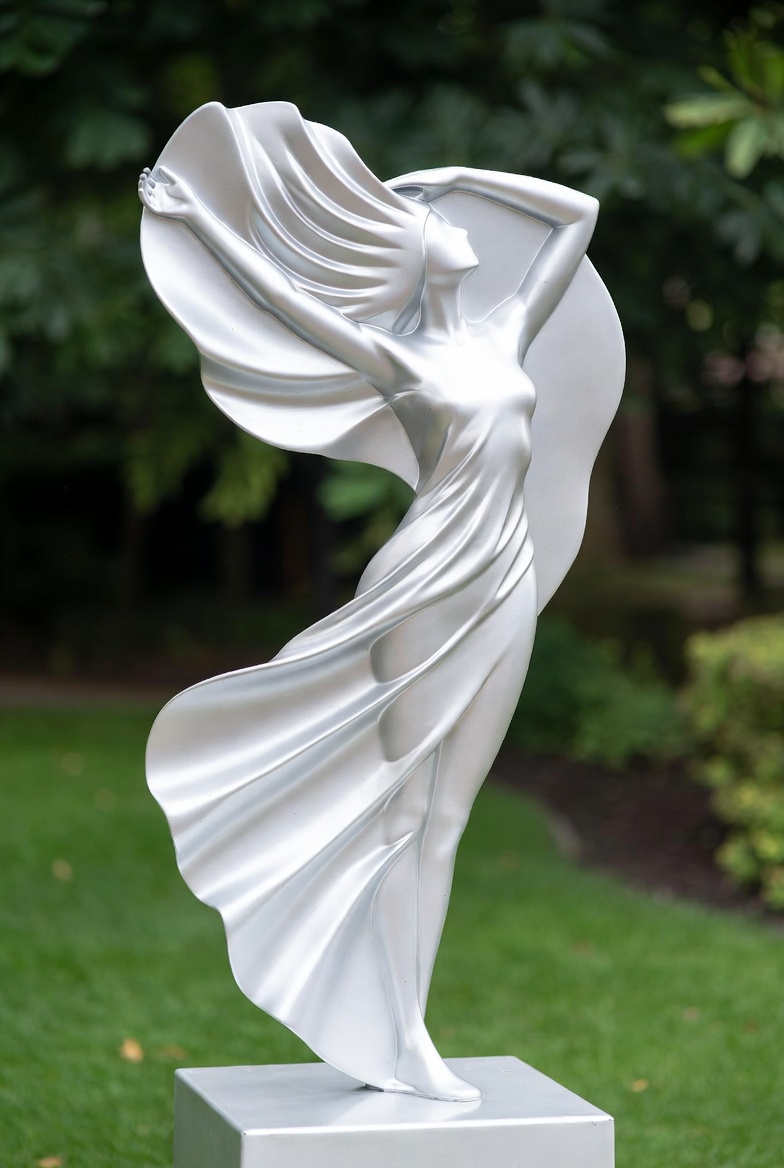
Garden and Park Sculpture Made of Plastic
Garden and park sculpture represents a form of plastic art designed to enhance the aesthetic appeal of gardens, parks, and private estates. These pieces serve decorative, educational, or even ideological purposes, seamlessly integrating into the surrounding landscape design.
РОЗРАХУНОК ВАРТОСТІ
Всього 7 кроків для отримання розрахунку
ІНШІ ВИДИ САДОВО-ПОРКОВИХ СКУЛЬПТУР
Садово-паркова скульптура на замовлення з інших матеріалів

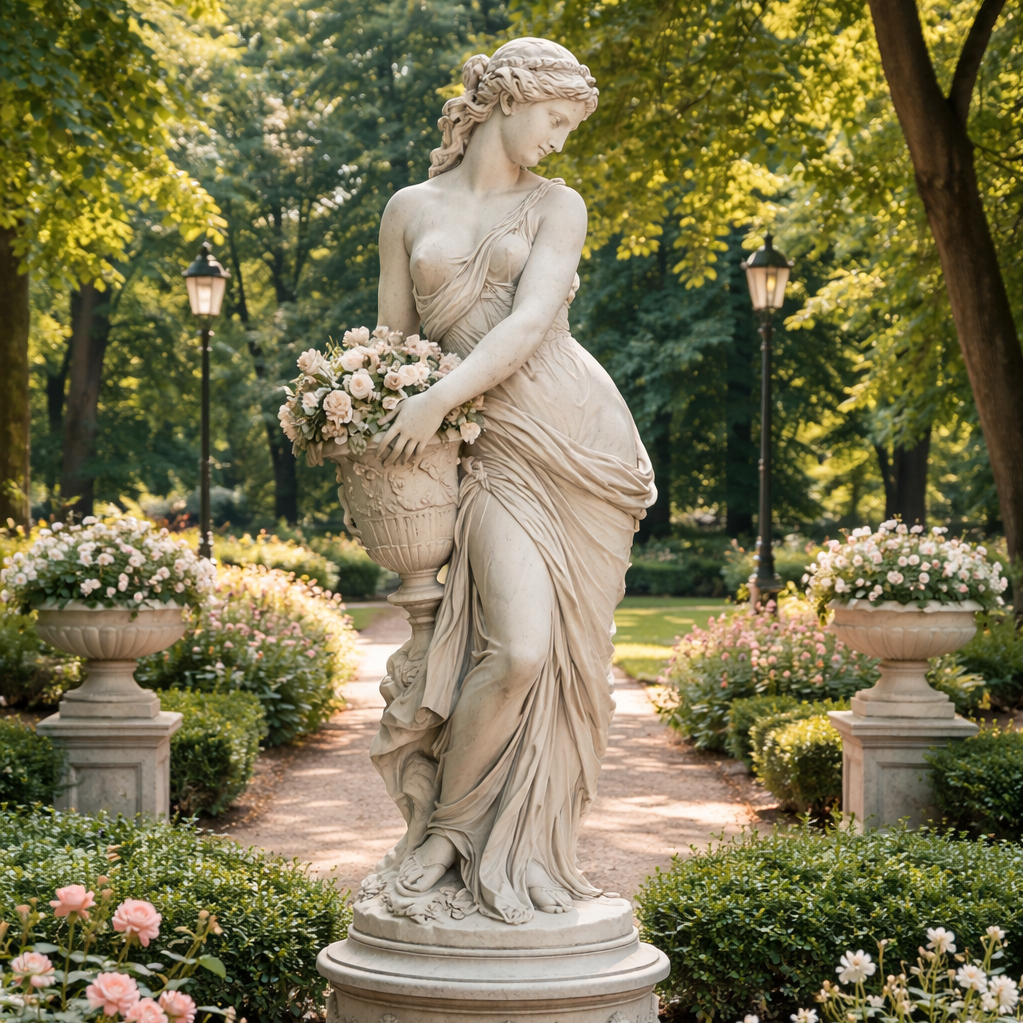
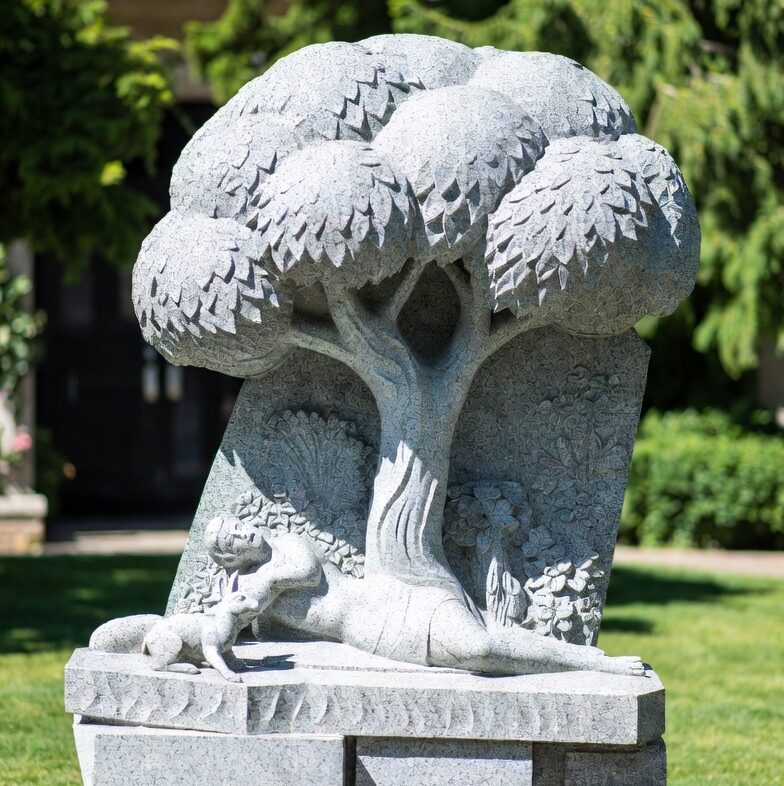
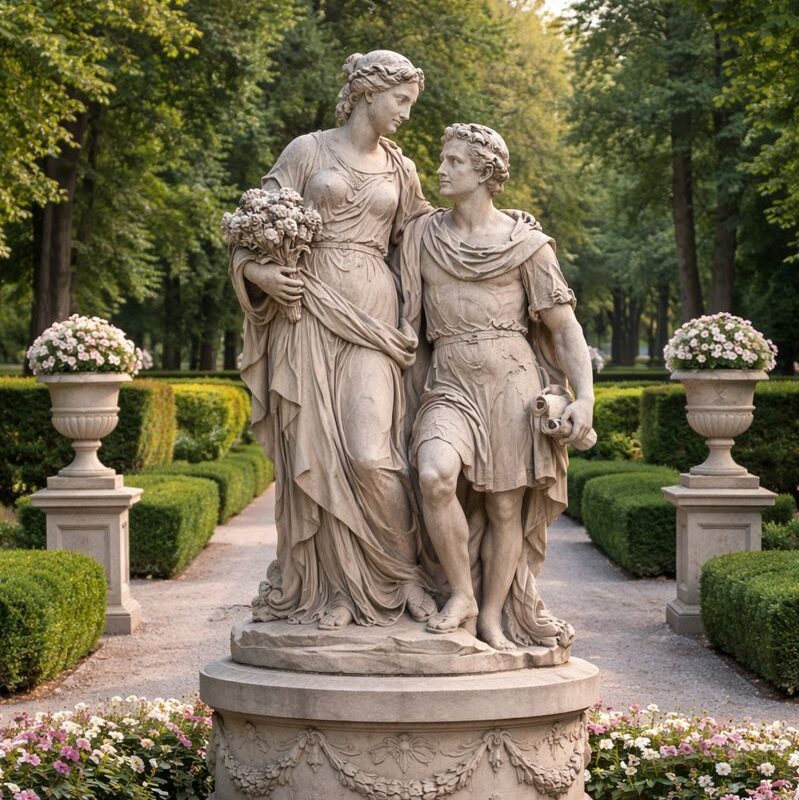



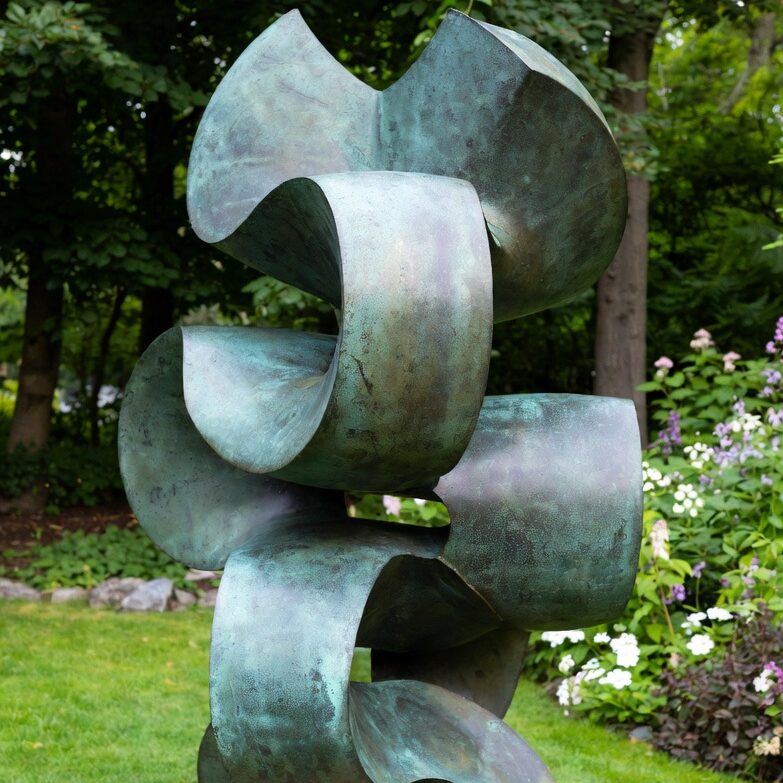
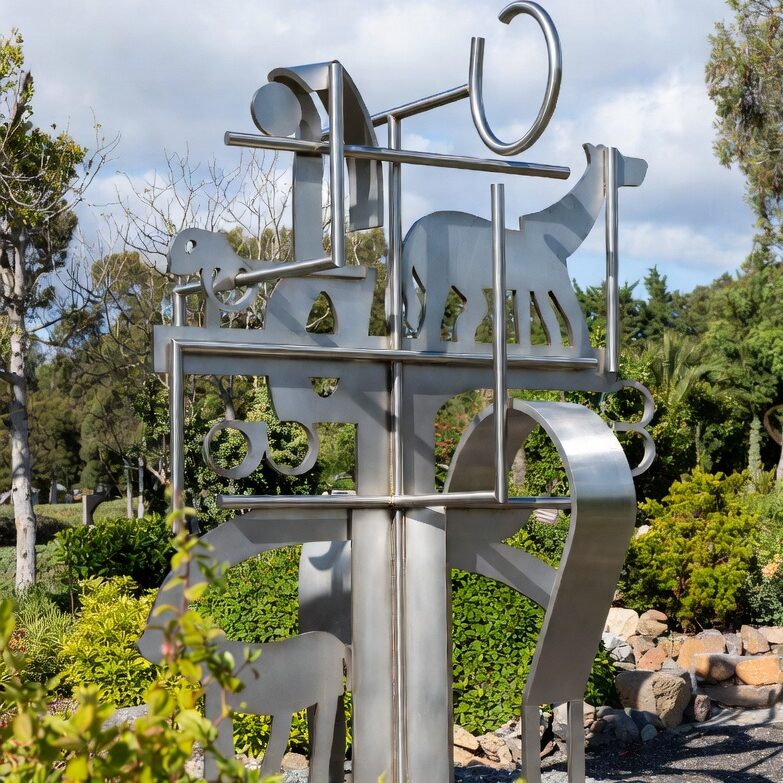
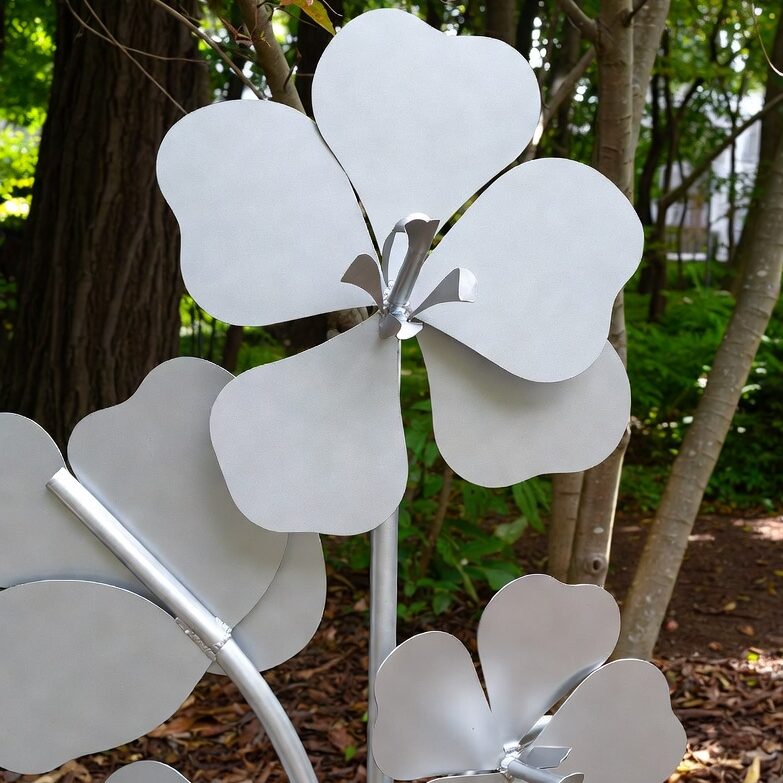

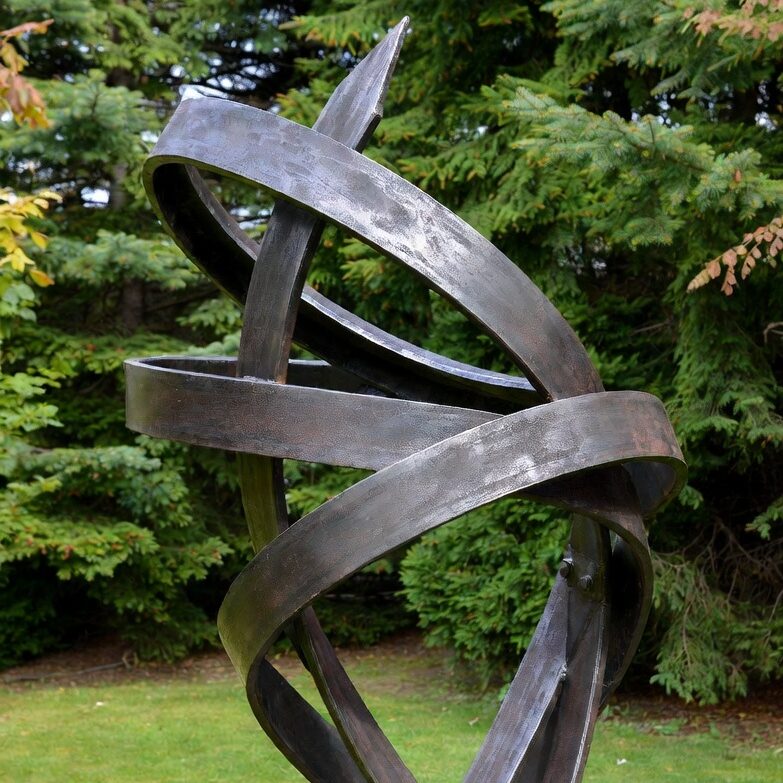
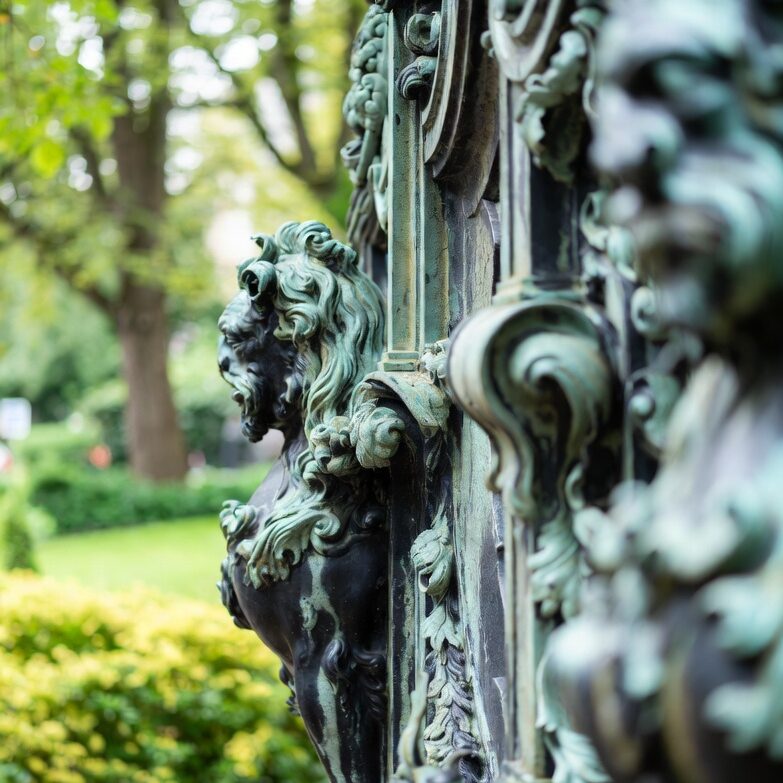
Materials for Garden and Park Sculptures
Traditionally, such works have been crafted from wood, metal, natural stone, or concrete. In contemporary landscape design, however, plastic is increasingly popular — particularly for small-scale forms and abstract compositions. Commonly used types include PVC, polyethylene, and various composite polymers. These materials enable the creation of lightweight yet strong and long-lasting structures. Plastic is often combined with other substances, such as expanding foam, to build voluminous figures.
Advantages of Plastic
Plastic is exceptionally well-suited for outdoor environments due to its key properties: it is easy to process, resistant to moisture, UV radiation, and extreme temperature fluctuations. As a result, sculptures retain their original shape, vibrant colors, and overall appearance for many years with virtually no special maintenance required. Another significant benefit is the ability to produce intricate, elegant, or highly detailed forms that would be far more difficult and expensive to achieve using traditional materials like marble or bronze.
Manufacturing Techniques
The process begins with sketches and model creation. Plastic sculptures are produced using various methods: molding (pouring into forms), extrusion, or 3D printing. Small decorative figures are most commonly made by pouring molten plastic into specialized molds, followed by cooling and finishing touches. Larger abstract objects are frequently assembled from pre-made components — glued, welded, or mechanically joined. Final finishing includes sanding, painting, and applying a protective coating that further enhances resistance to environmental factors.
Examples of Plastic Garden and Park Sculptures
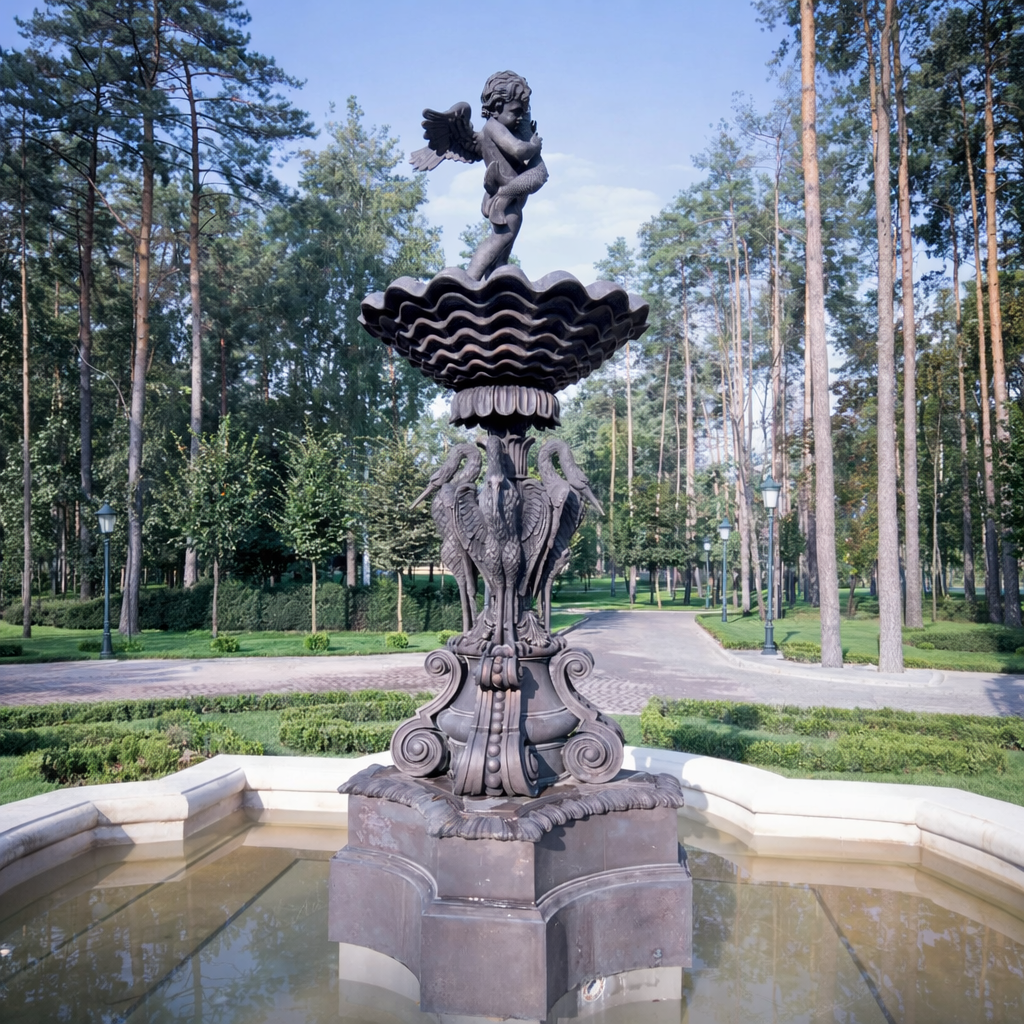
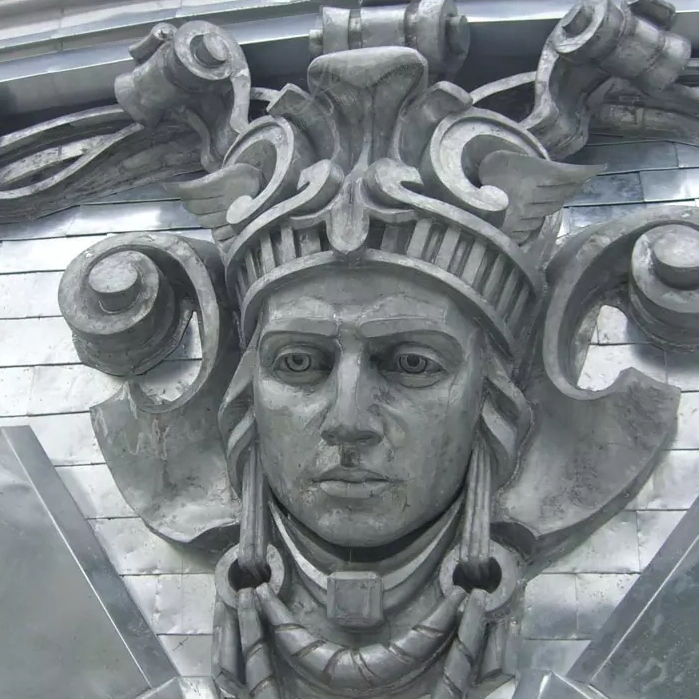
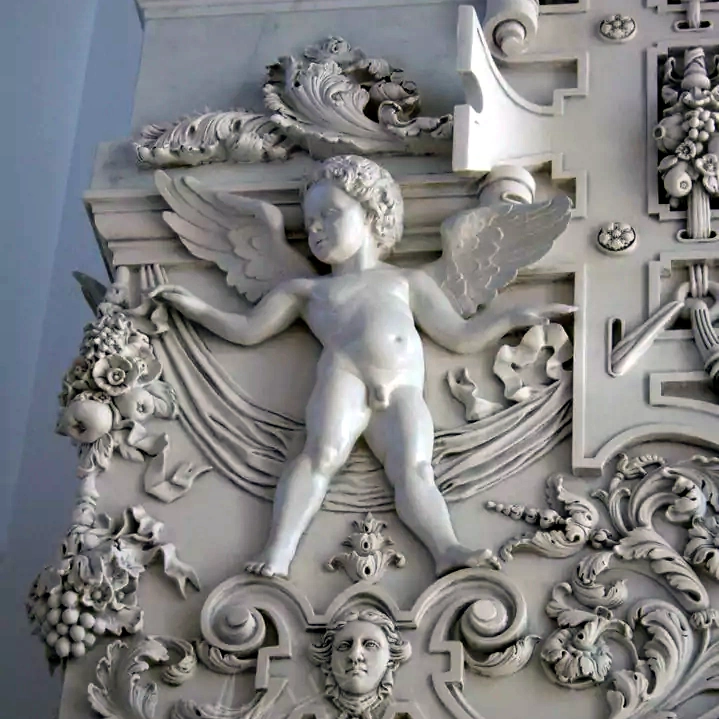
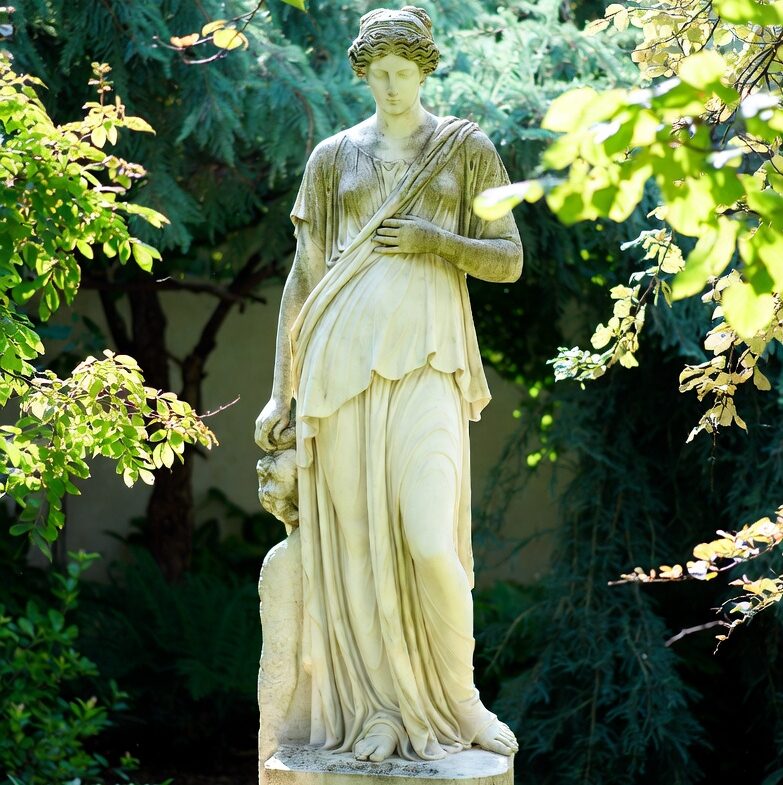
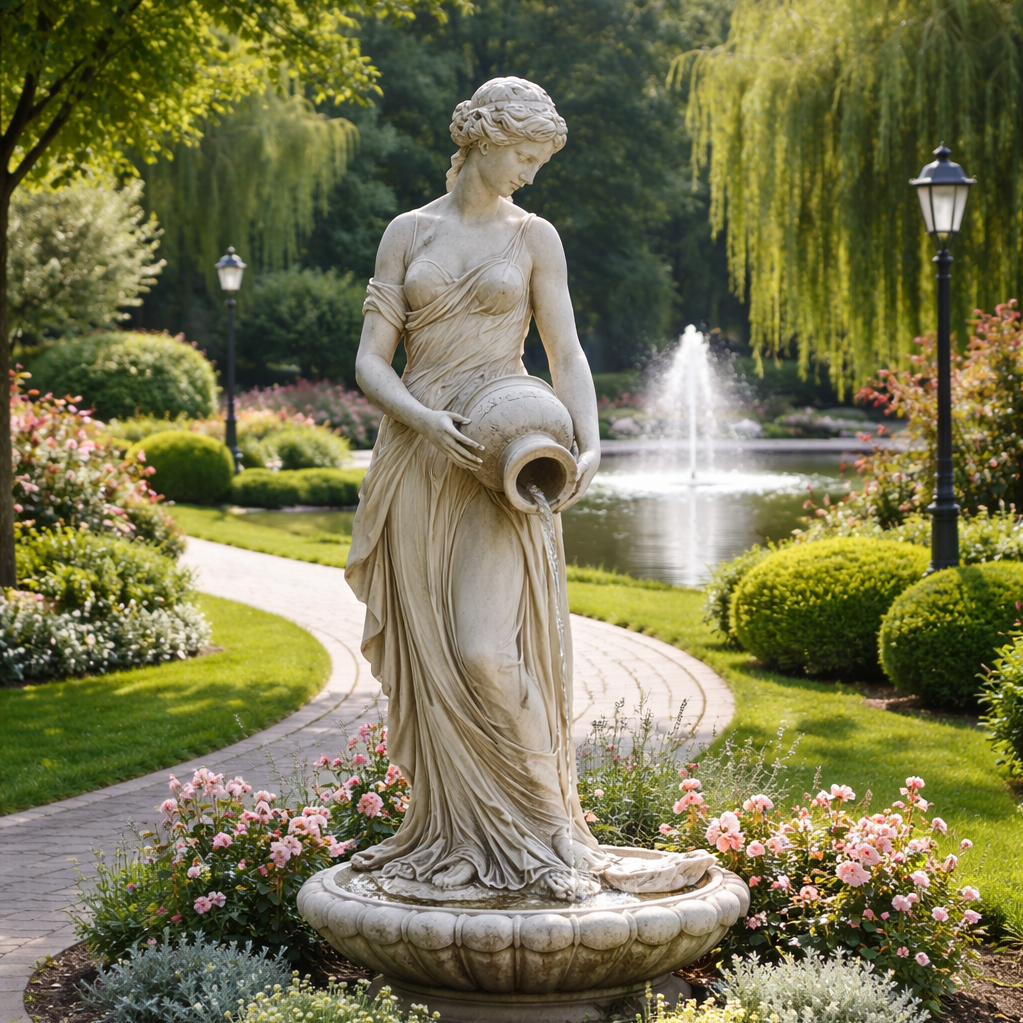
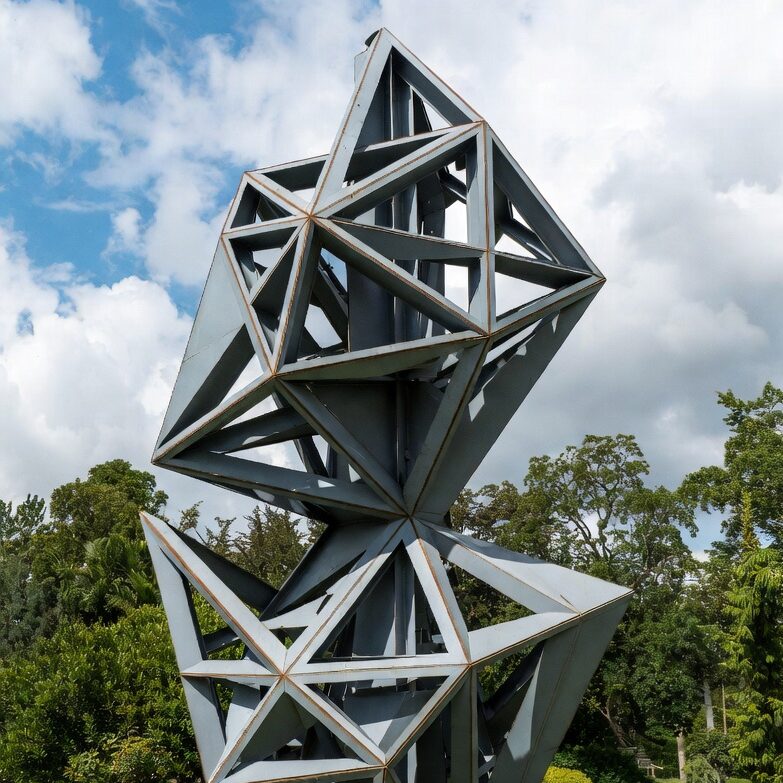
The most common items are compact figures of animals, birds, fairy-tale characters, or stylized plants, which are placed along pathways, near flower beds, or by ponds. In modern parks, abstract installations are especially popular — geometric compositions, flowing wave-like shapes, and illuminated art objects. Even classical themes (human figures, mythological creatures) are sometimes recreated in plastic, with finishes that mimic the appearance of stone or metal. Beyond purely decorative pieces, plastic is also used for functional garden elements: borders, decorative screens, and uniquely shaped planters.
Companies specializing in landscape decor — including those working with multiple materials, such as Gold Art Line — are increasingly incorporating plastic in projects where lightness, fast production, and affordability are priorities, even as many still emphasize traditional materials for premium pieces.
Plastic garden and park sculpture successfully combines practicality, durability, and strong aesthetic impact, allowing contemporary art to blend organically into natural surroundings.
СТВОРЮЄМО СКУЛЬПТУРИ РІЗНИХ ЖАНРІВ ТА НАПРАВЛЕНЬ
Від класики до артхаусу