Concrete garden and park sculpture
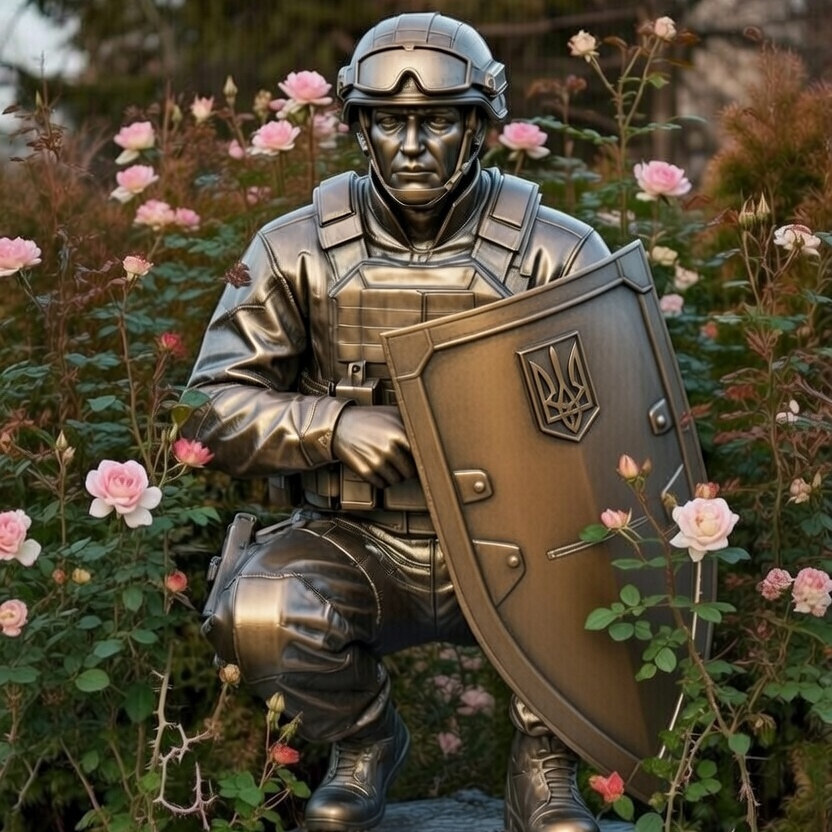
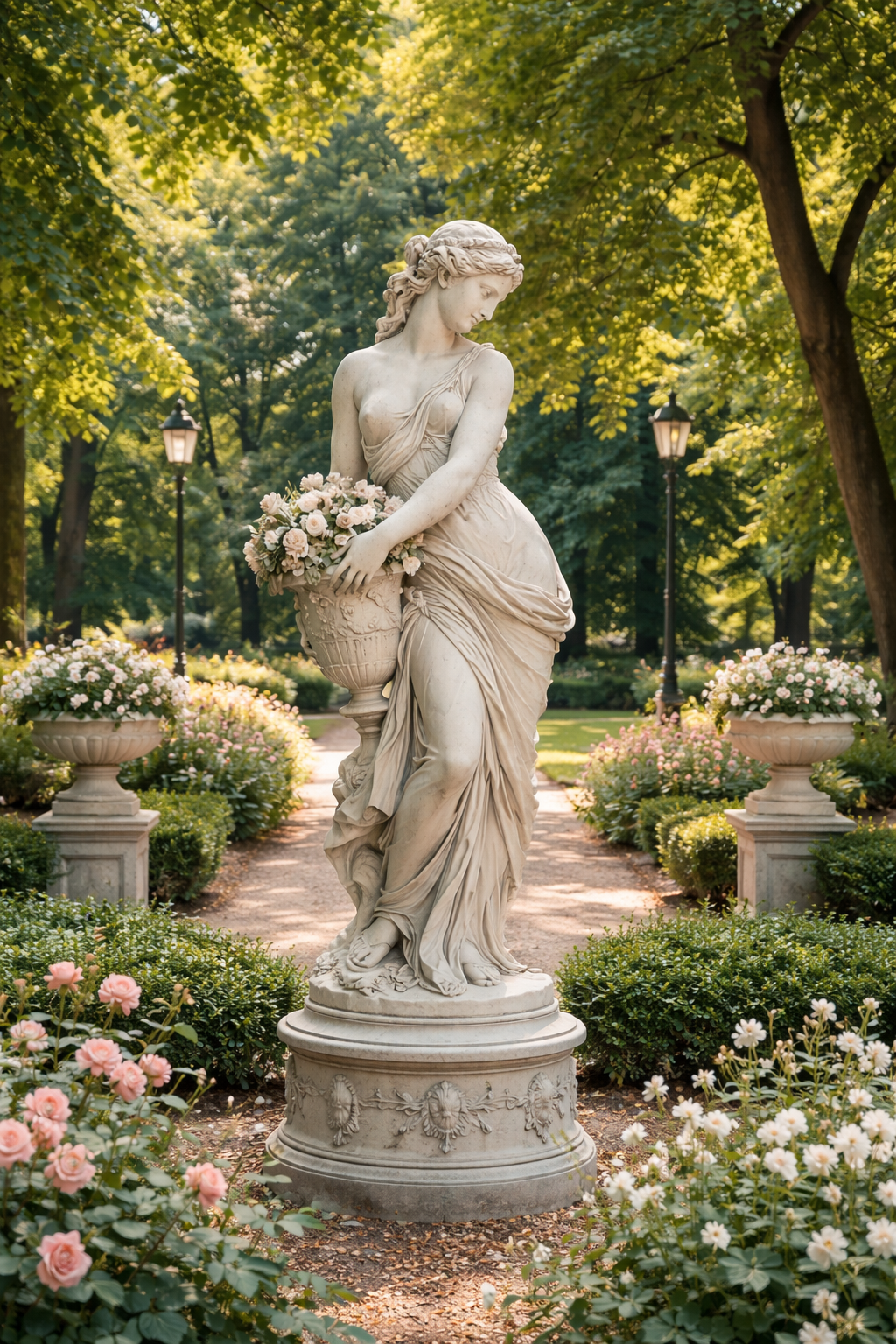
Concrete garden sculpture is one of the most popular and practical ways to enhance landscape spaces. As a material, concrete combines affordability, exceptional durability, and tremendous freedom in shaping volumes, making it ideal for creating decorative elements in gardens, parks, backyard plots, or urban green areas.
РОЗРАХУНОК ВАРТОСТІ
Всього 7 кроків для отримання розрахунку
ІНШІ ВИДИ САДОВО-ПОРКОВИХ СКУЛЬПТУР
Садово-паркова скульптура на замовлення з інших матеріалів
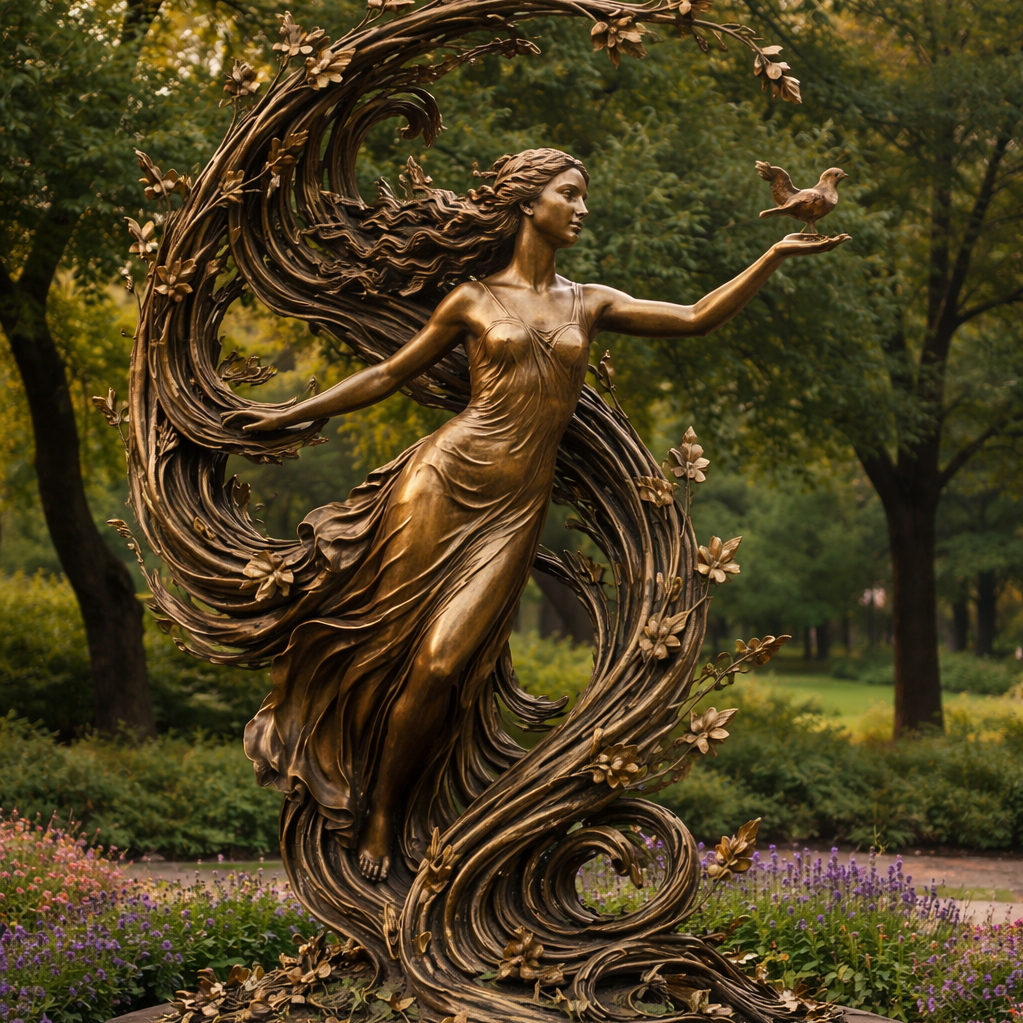
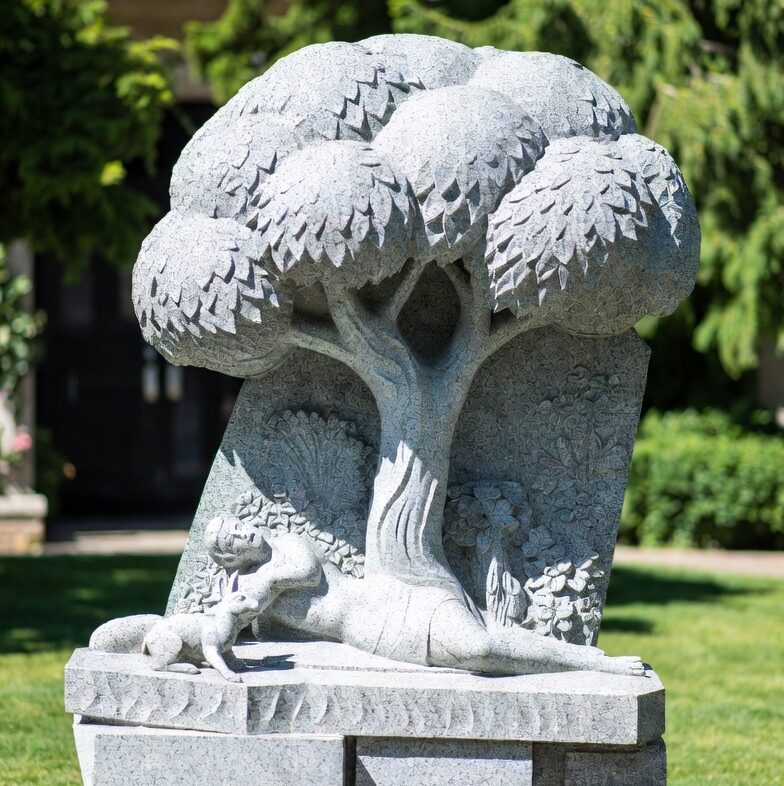
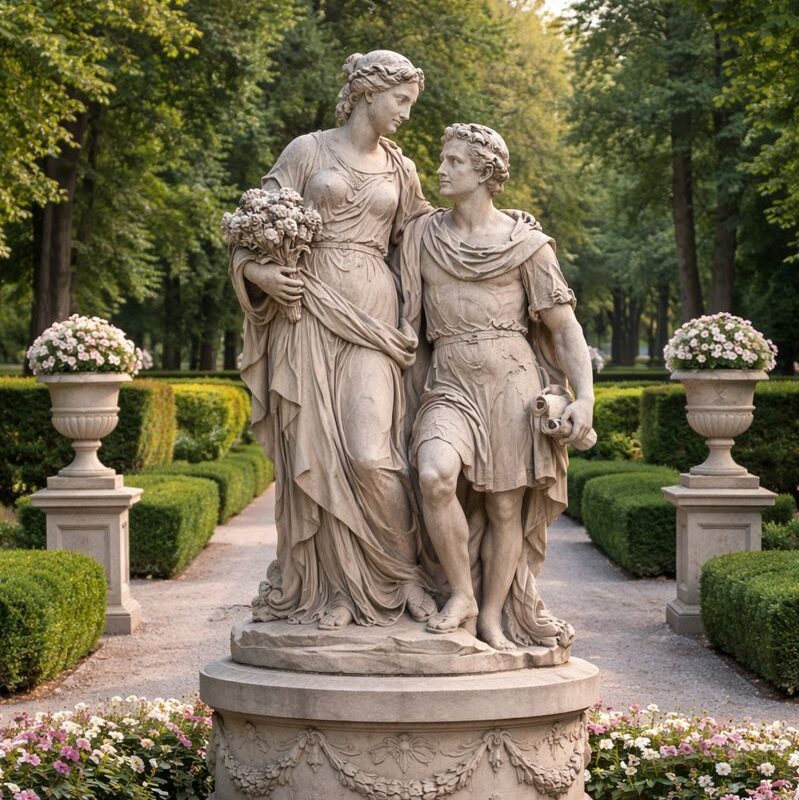
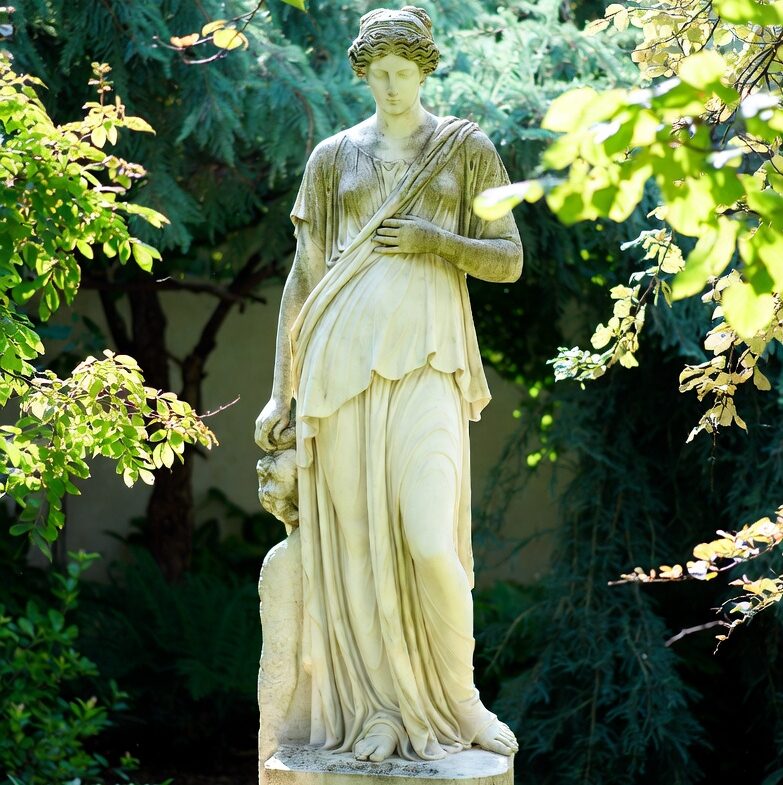
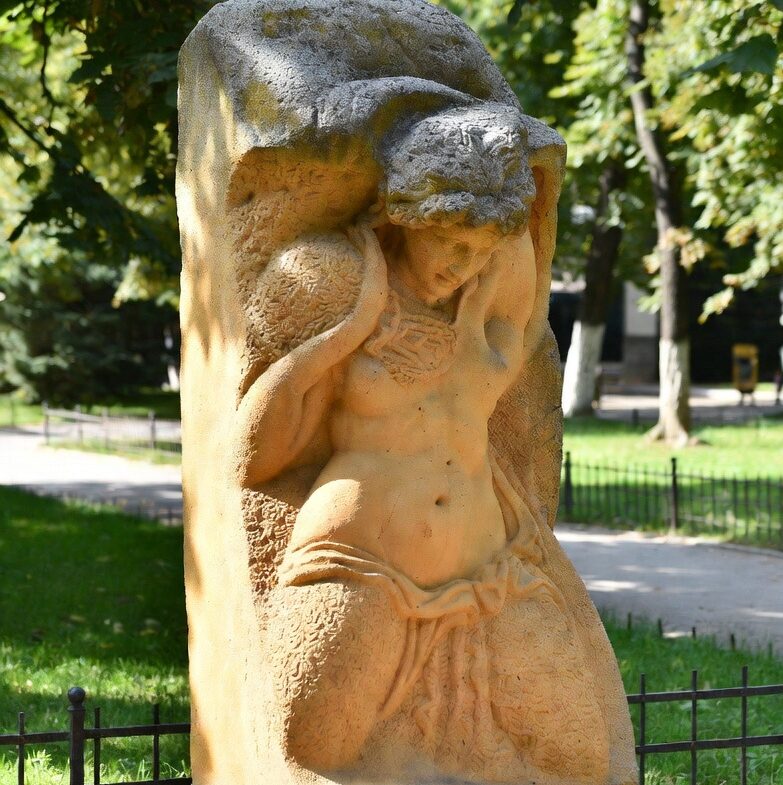
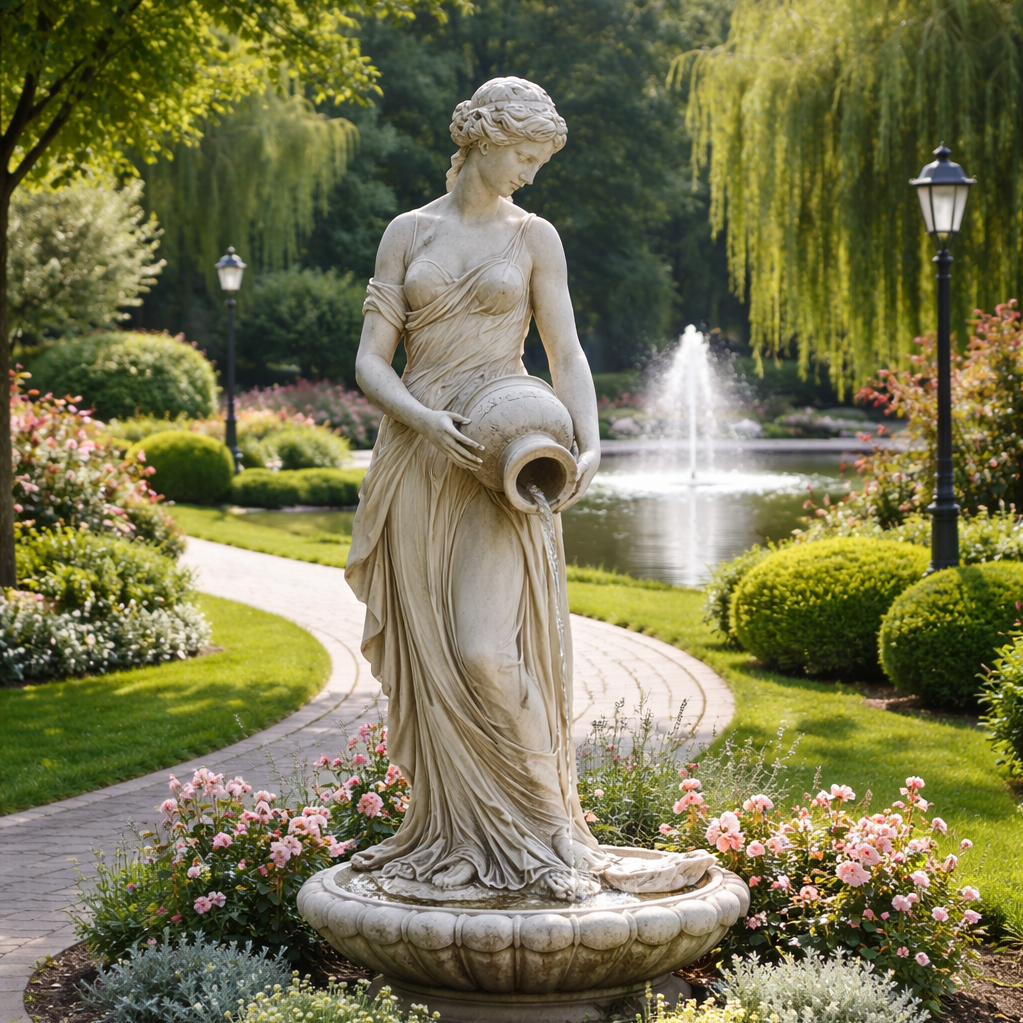
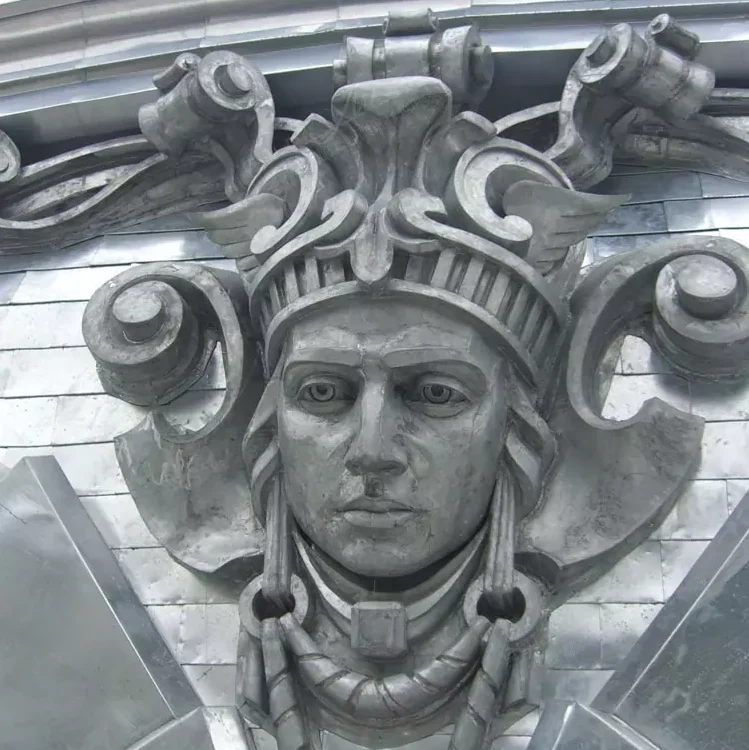
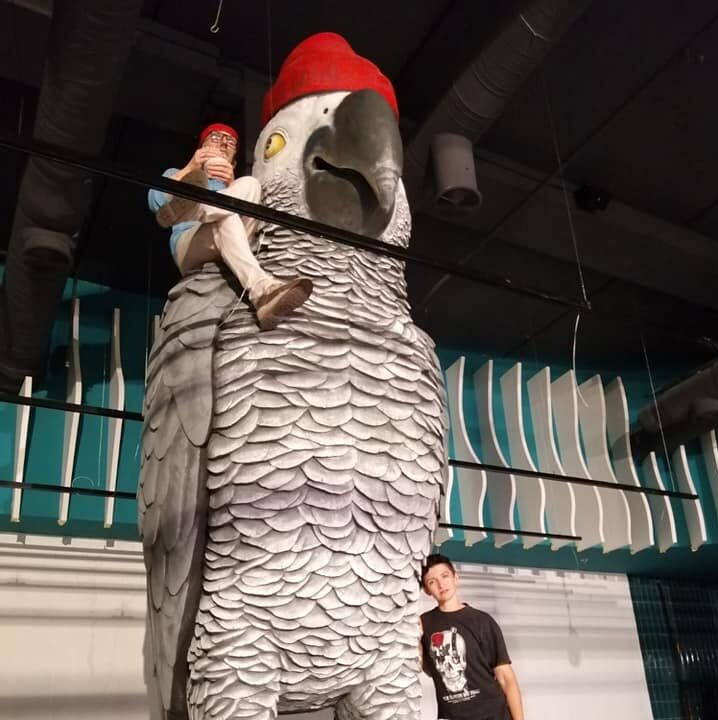

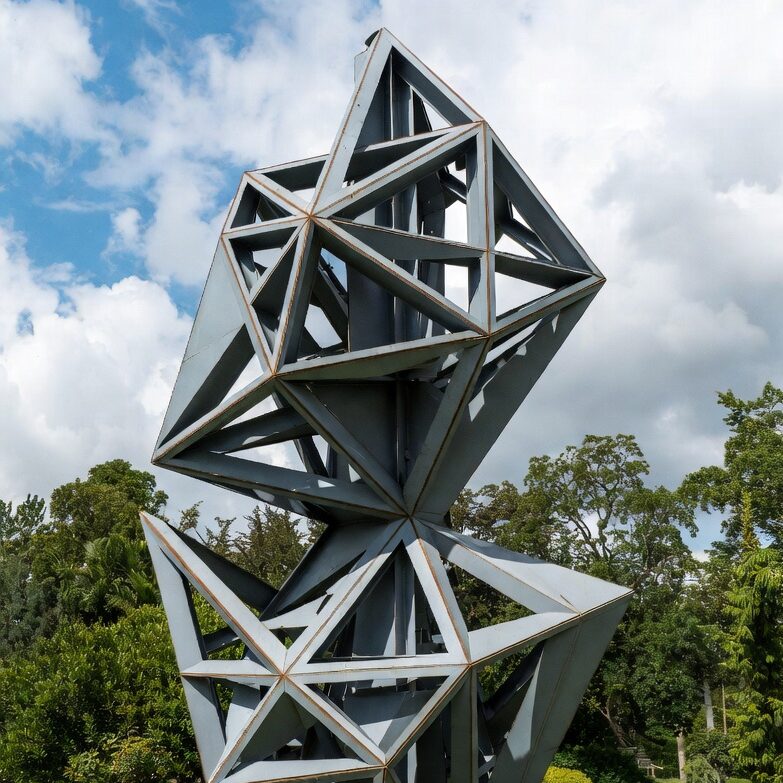
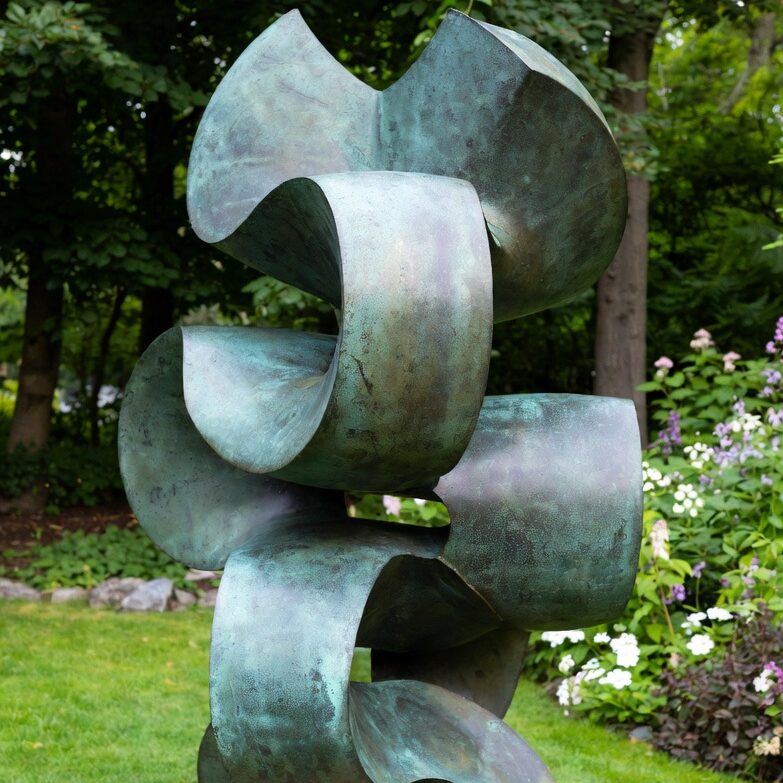
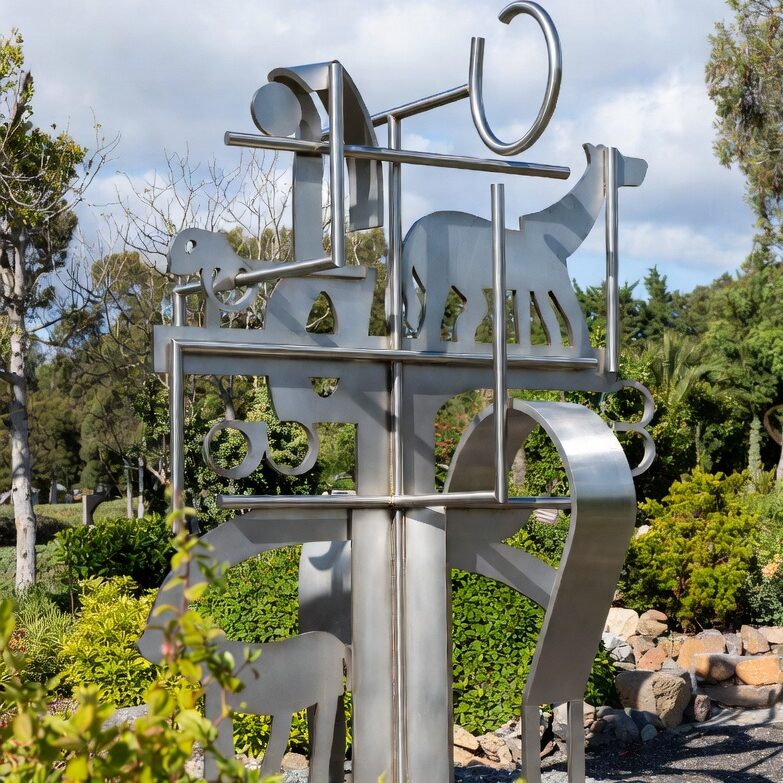
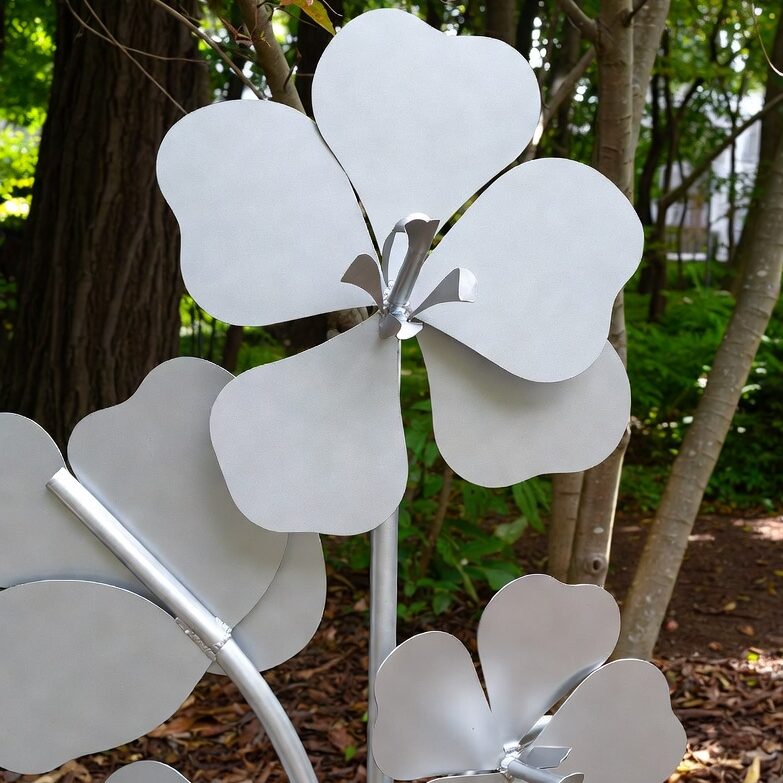
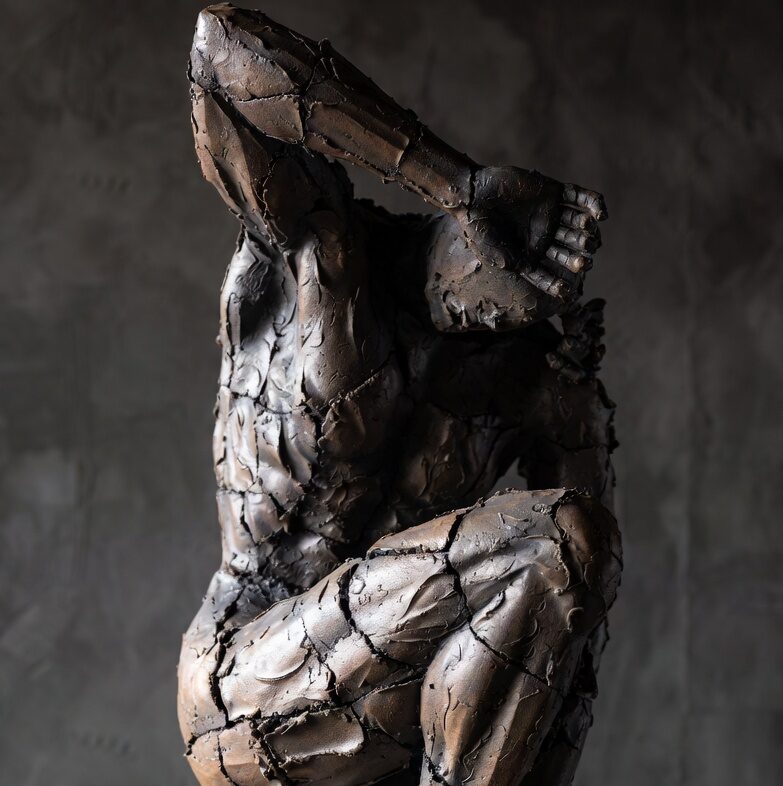
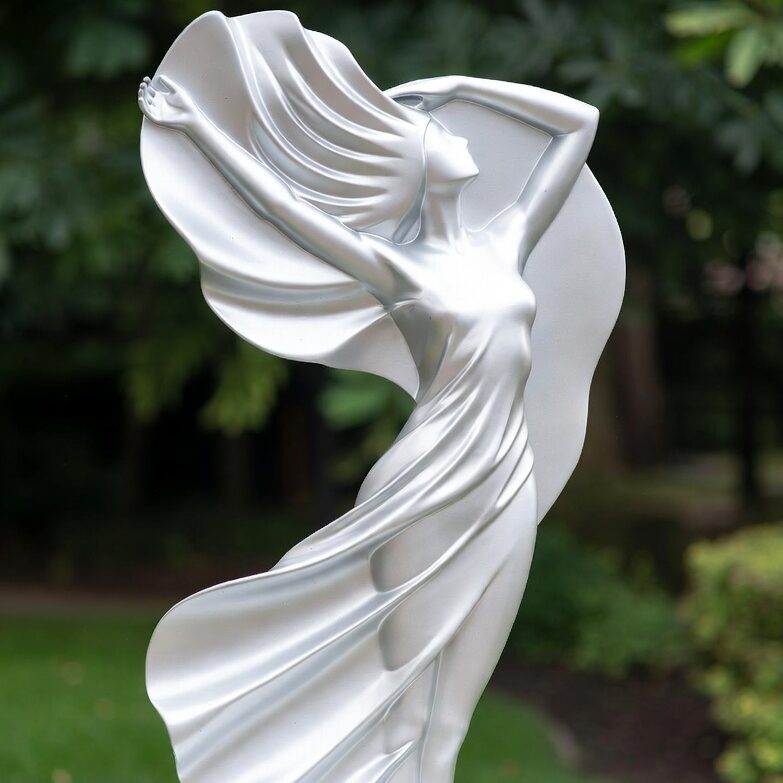
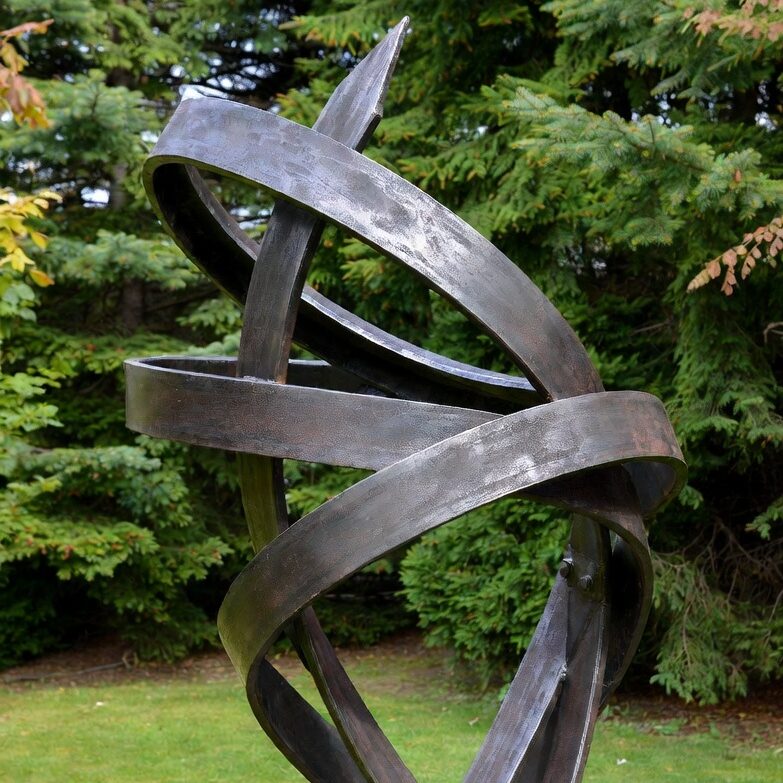
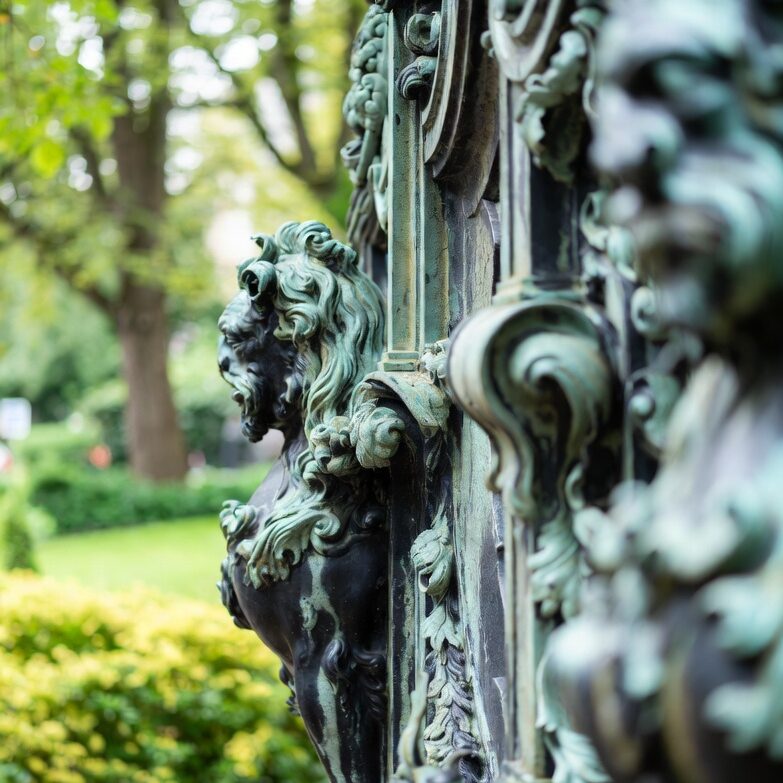
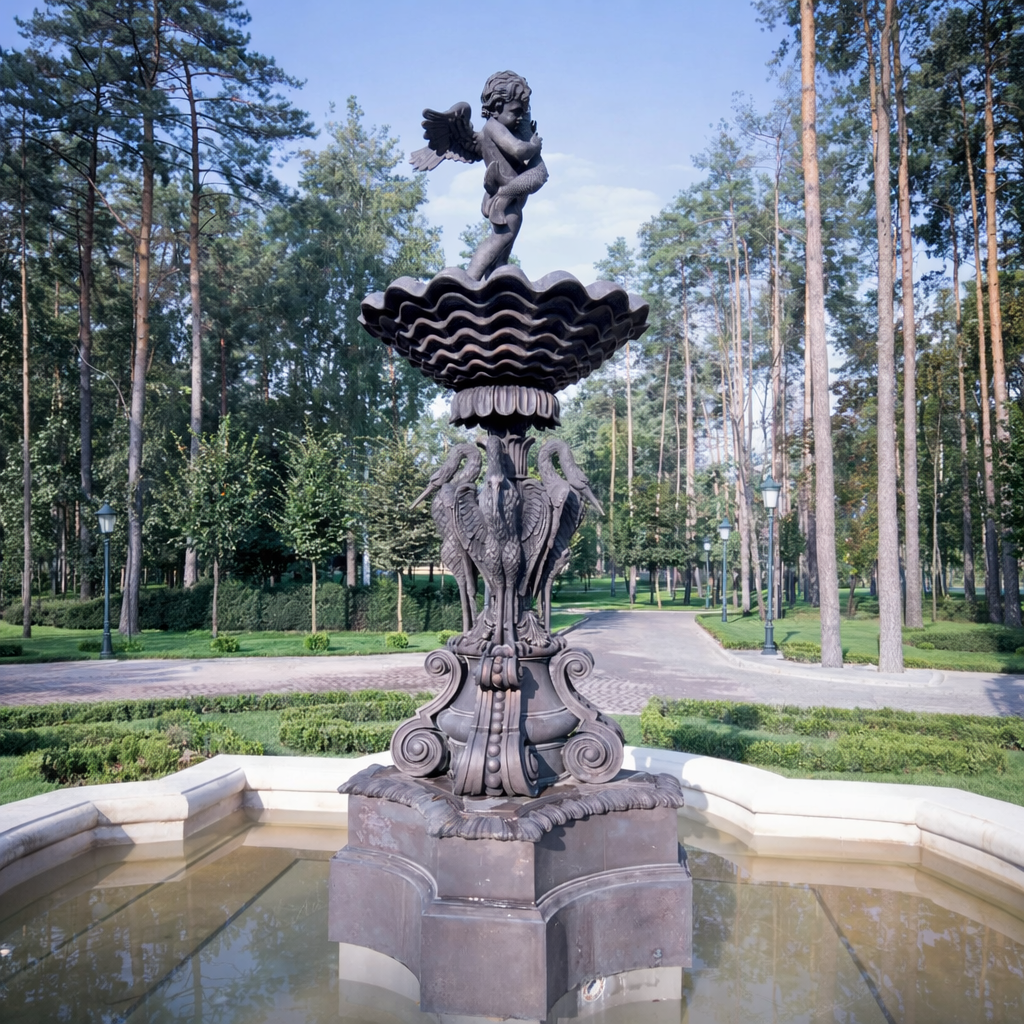
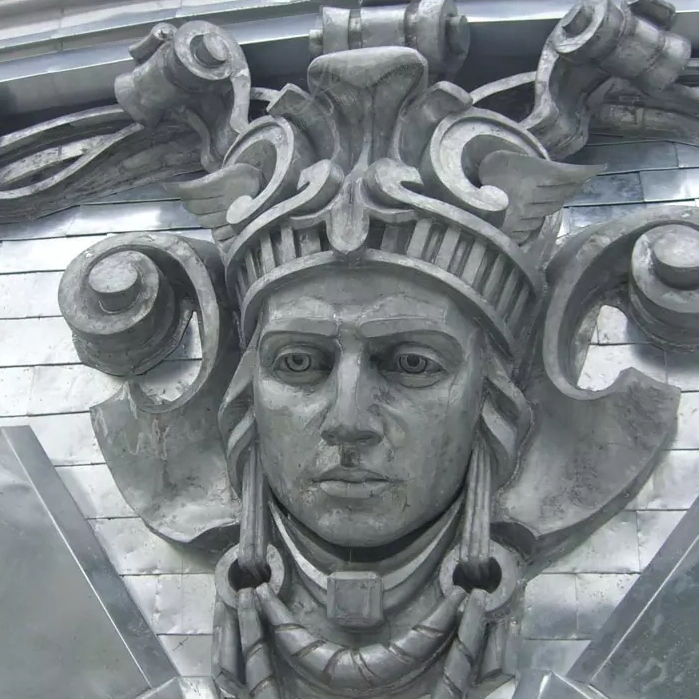
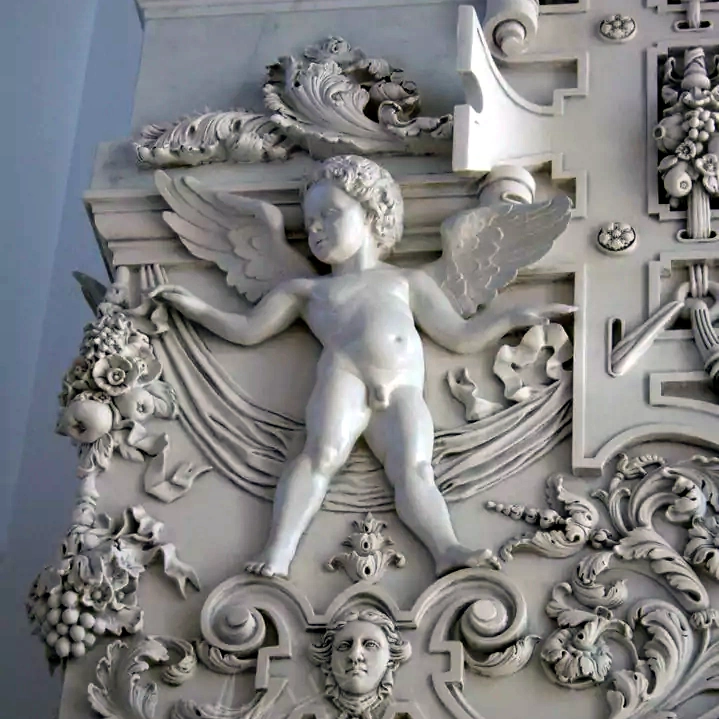
This type of sculpture traces its roots back to the Renaissance and Baroque eras, when European parks featured marble and bronze figures of gods, allegories, and mythical creatures. Today, concrete has made such decorations widely available and mass-produced. Modern concrete pieces often replicate classical styles (angels, putti, ancient figures, animals) while also embracing abstract, contemporary, or folk-inspired motifs. They serve as striking focal points in the landscape—placed near ponds, on lawns, along pathways, in flower beds, or as part of rock gardens and alpine slides.
Advantages of concrete for garden and park sculpture
Concrete stands out favorably compared to other materials (wood, gypsum, metal, or natural stone) in several key ways:
- Outstanding weather resistance — it withstands rain, snow, frost, UV radiation, and temperature fluctuations. With proper production and care, it can last for decades.
- Strength and stability — heavy structures resist tipping in strong winds and withstand accidental impacts without breaking.
- Cost-effectiveness — raw materials (cement, sand, gravel, reinforcement) are relatively inexpensive, and the production process allows for both small and large-scale pieces without excessive costs.
- Design flexibility — concrete can be poured into molds of any complexity, enabling detailed reliefs, textures, and convincing imitations of marble, granite, or aged stone through additives and specialized finishes.
- Low maintenance — occasional cleaning to remove dirt and moss, plus periodic renewal of protective coatings, is usually sufficient.
Drawbacks and considerations
Like any material, concrete has some limitations:
- Significant weight — larger figures are difficult to move, and installation may require assistance.
- Risk of micro-cracks from water freezing inside the pores (unless hydrophobic additives or reinforced concrete are used).
- Porous surface that can absorb moisture without proper treatment, potentially leading to gradual deterioration.
- Initially plain gray industrial appearance — it often requires painting or a decorative coating to achieve an attractive look.
Fortunately, these issues are easily mitigated with modern techniques: reinforcement, plasticizers, water-repellent agents, and high-quality finishing layers.
Manufacturing techniques
Several main methods are used to create concrete sculptures:
- Casting into ready molds (the most common for mass-produced figures) — concrete is poured into silicone, plastic, or metal molds. Once hardened, the piece is removed and finished.
- Sculpting over an armature — a metal or wooden frame (reinforcement) is built first, then layers of concrete mixture are applied (either by “wet” sculpting or packing). This approach suits unique, large, or intricate designs.
- Carving from a monolithic block — less common with concrete but feasible for abstract forms.
- Combined techniques — for example, using an armature for the main structure plus molds for individual elements.
The typical mix includes cement, sand, fine gravel, water, and additives (plasticizers for better flow, fiber reinforcement for added strength). After casting or sculpting, the piece is cured in humid conditions for 7–28 days to reach full strength.
Integrating concrete sculpture into the landscape
- Classic style — figures of gods, lions, or large urns near entrances or on terraces.
- Natural/eco style — animals (rabbits, deer, birds), mushrooms, or fairy-tale characters tucked into cozy corners.
- Modern minimalism — abstract geometric shapes, spheres, or obelisks.
- Children’s areas — colorful, safe figures of storybook heroes.
Concrete sculptures blend beautifully with plants, water features, stone, and wood, adding expressiveness and a sense of completion to any space.
In essence, concrete garden sculpture is far more than mere decoration—it imparts character, emotion, and unique personality to the landscape. Thanks to the material’s strength and versatility, these elements can delight viewers for generations, becoming an enduring part of a living garden.
СТВОРЮЄМО СКУЛЬПТУРИ РІЗНИХ ЖАНРІВ ТА НАПРАВЛЕНЬ
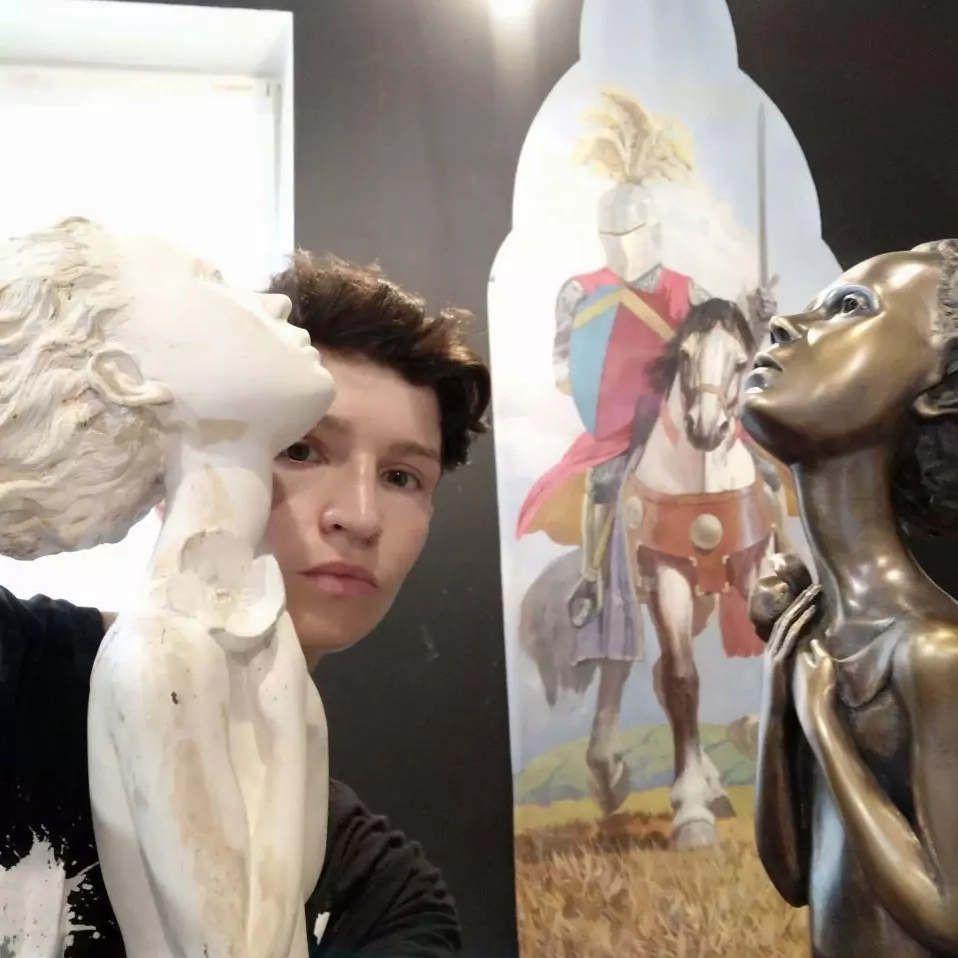
Від класики до артхаусу