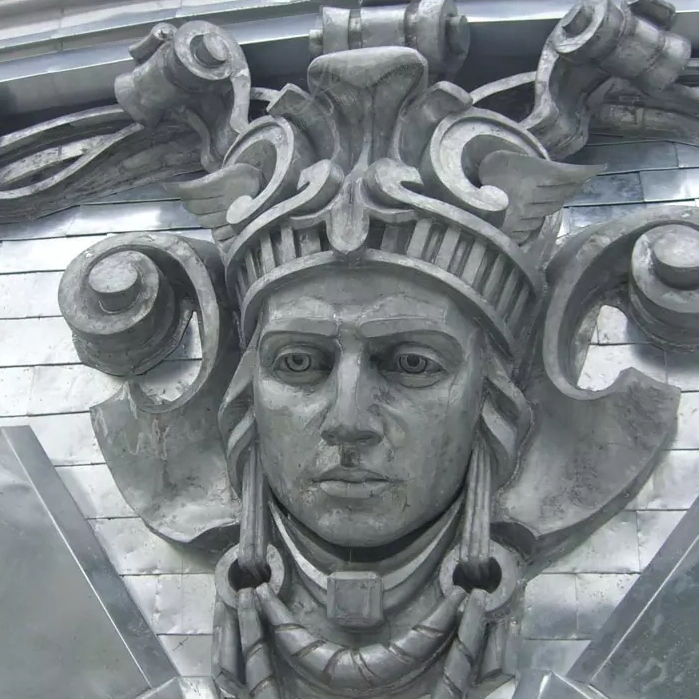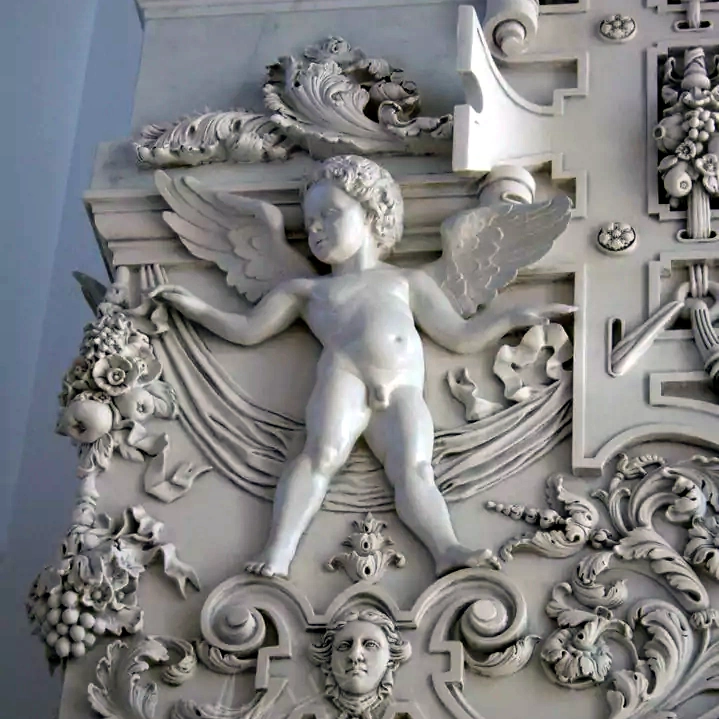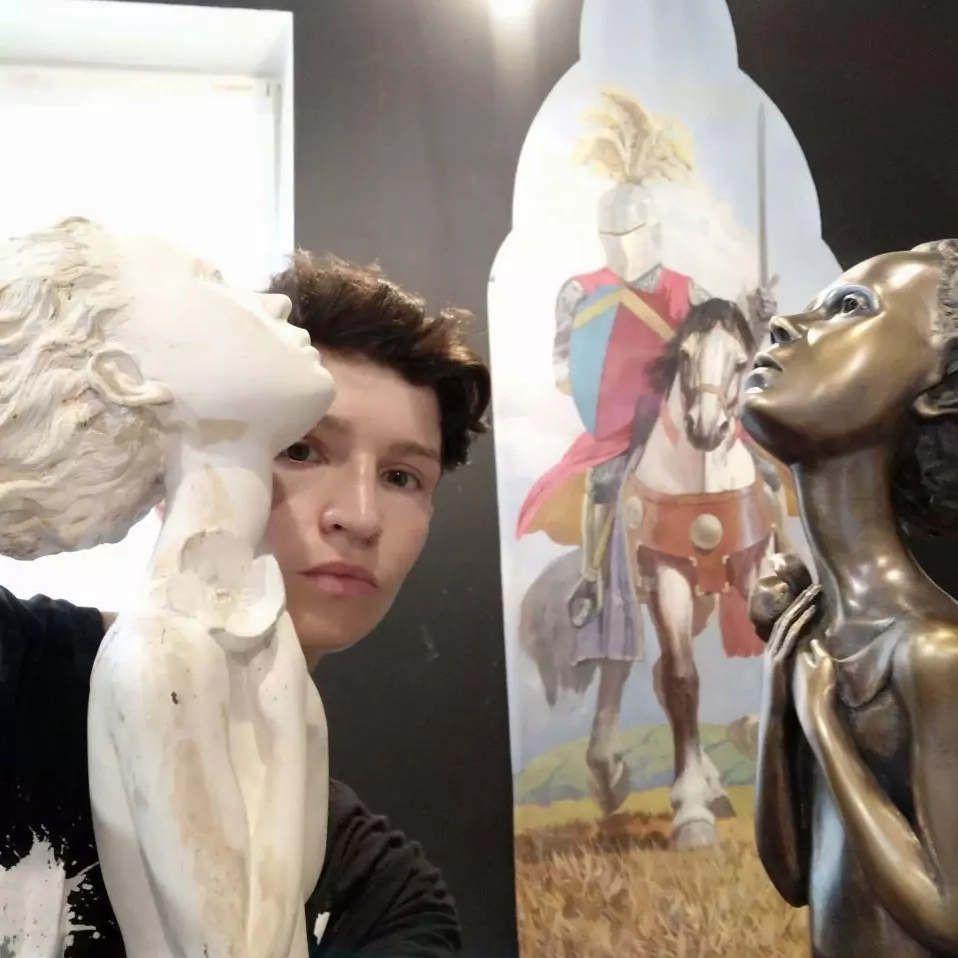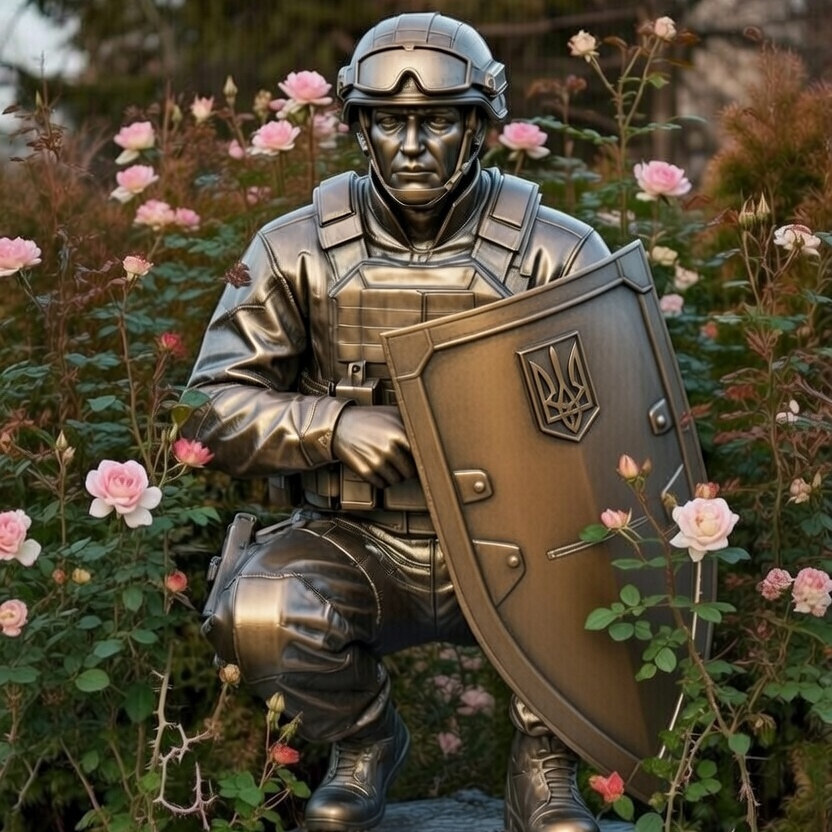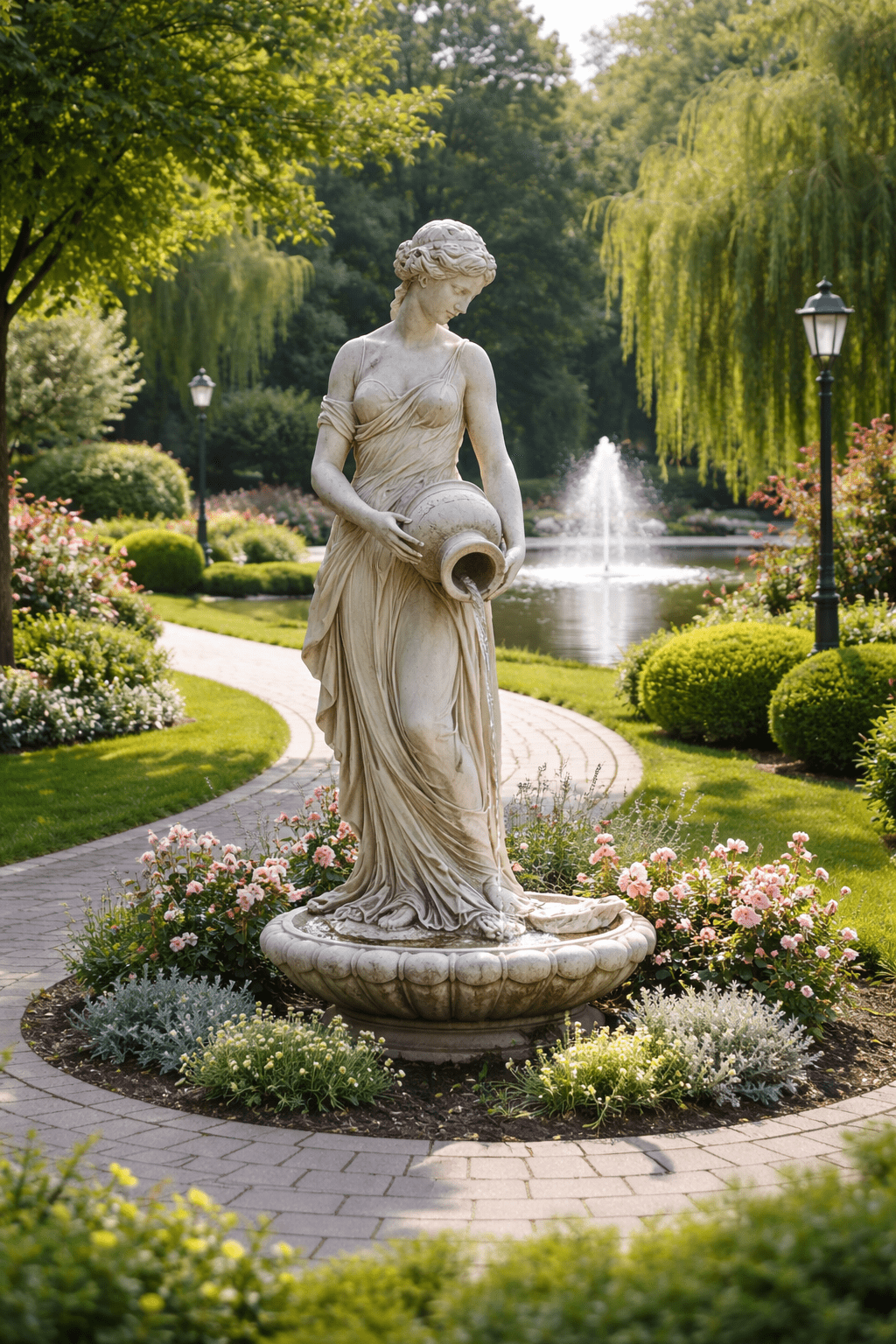
Garden and Park Sculpture Made of Lightweight Fiber Concrete
Garden and park sculpture is an essential element of landscape design. It adds both aesthetic appeal and functionality to green spaces. These sculptures include a wide variety of items — statues, fountains, decorative figures, and architectural details — created to enhance parks, gardens, and private territories.
In modern construction and design, lightweight fiber concrete is increasingly chosen as the material for such objects. So, what exactly is lightweight fiber concrete?
РОЗРАХУНОК ВАРТОСТІ
Всього 7 кроків для отримання розрахунку
ІНШІ ВИДИ САДОВО-ПОРКОВИХ СКУЛЬПТУР
Садово-паркова скульптура на замовлення з інших матеріалів
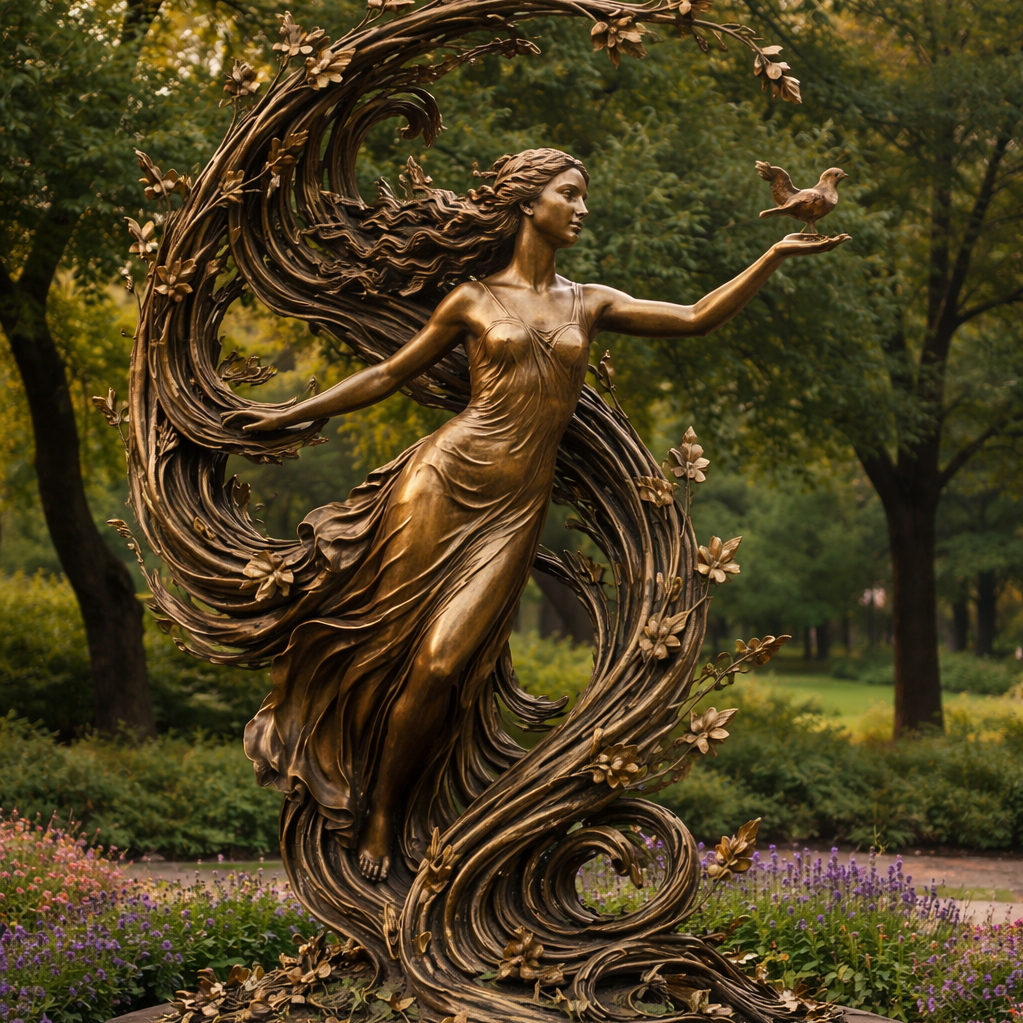
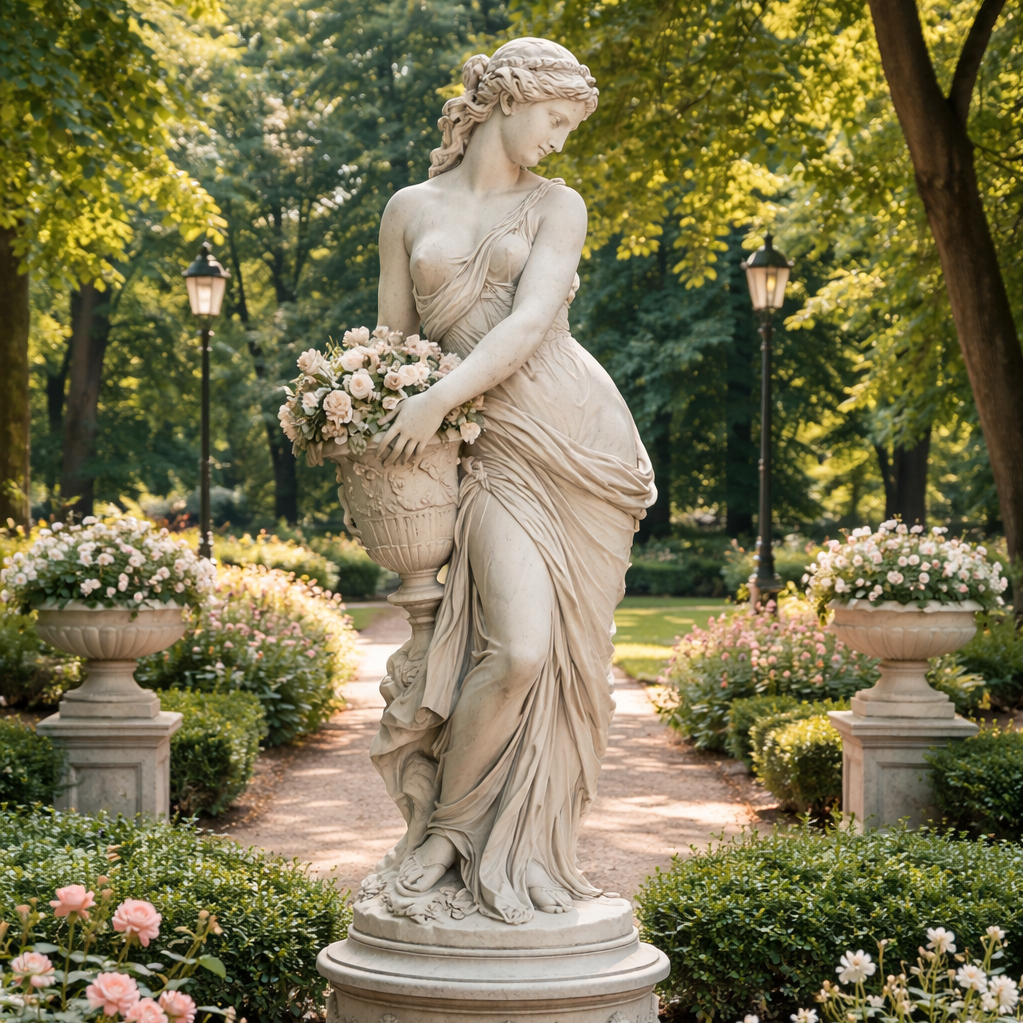
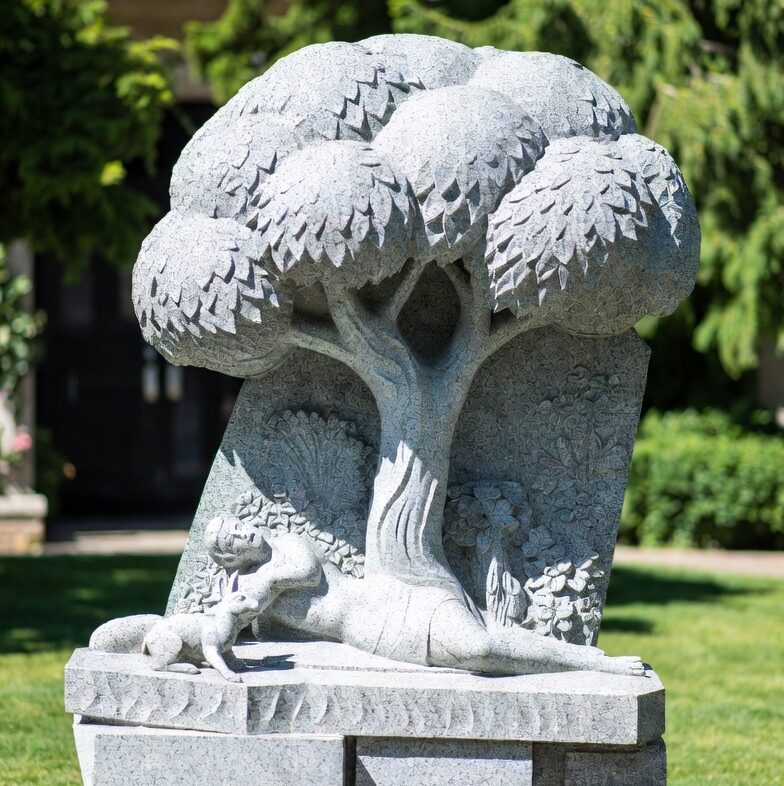
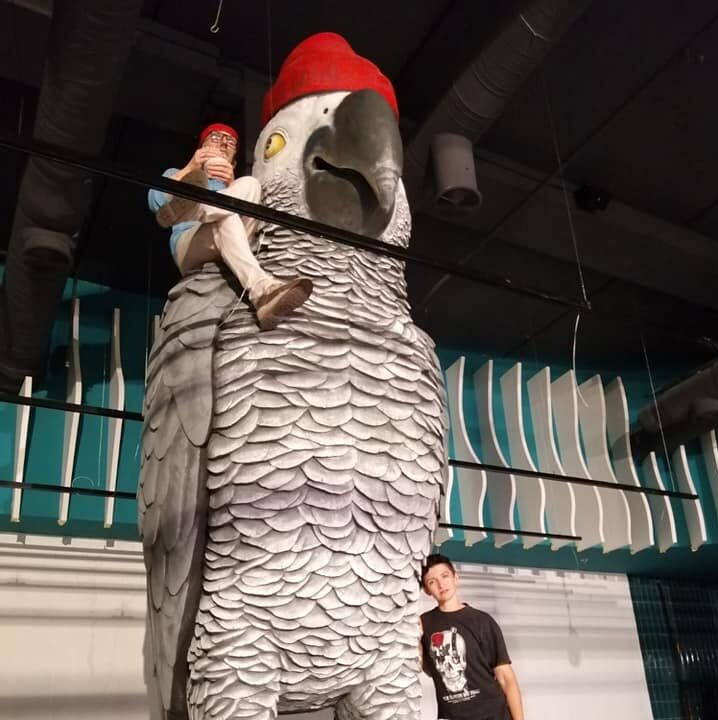
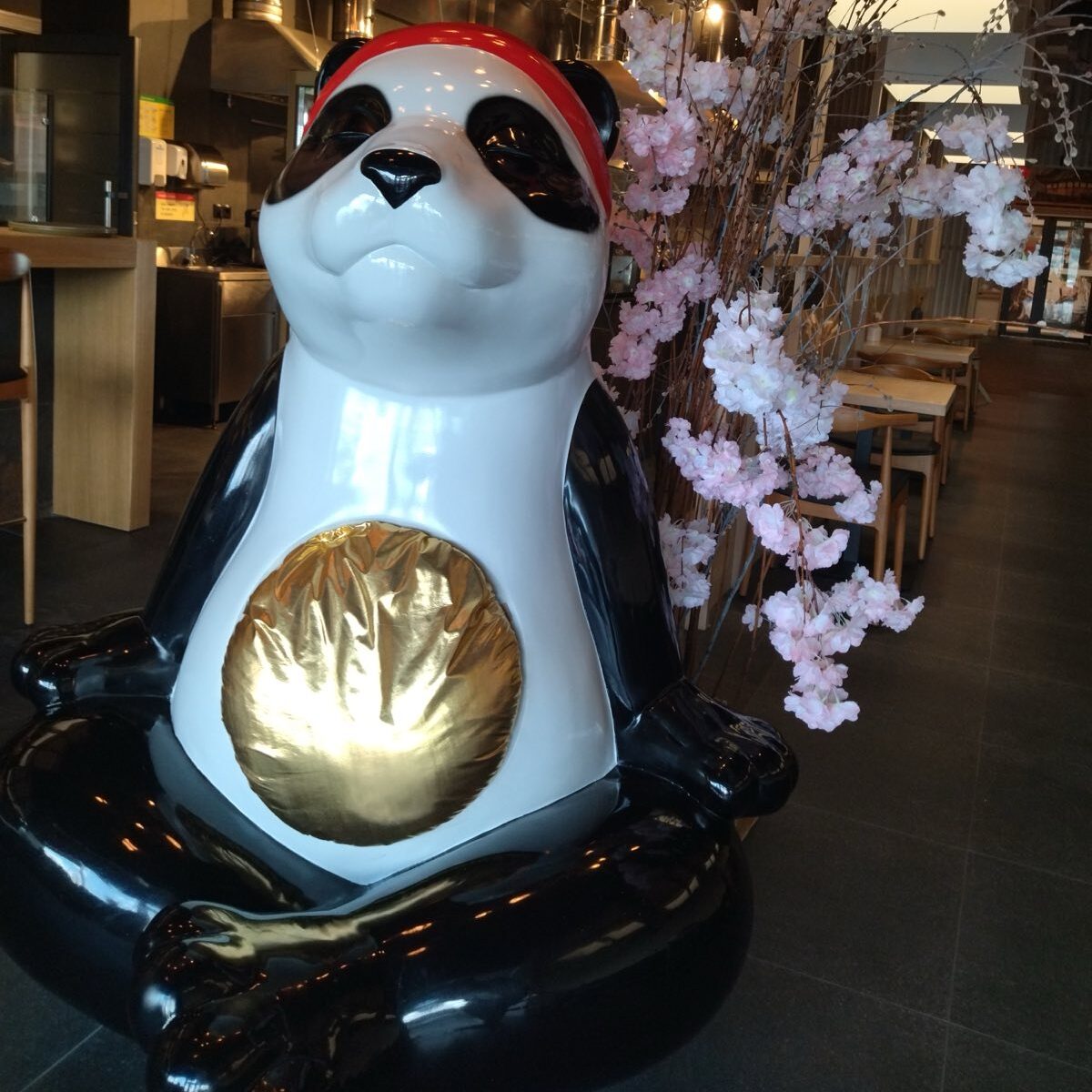
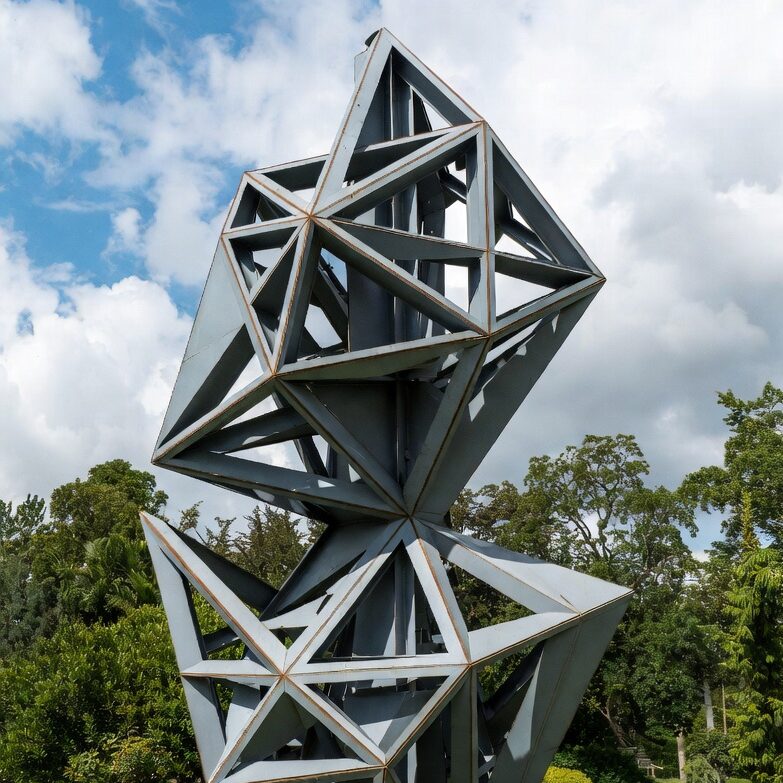
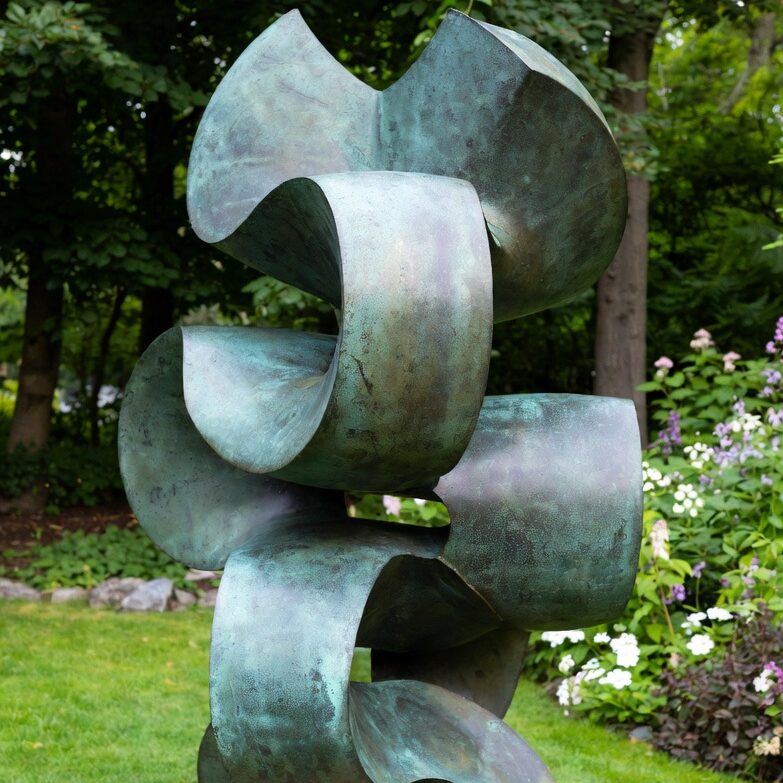
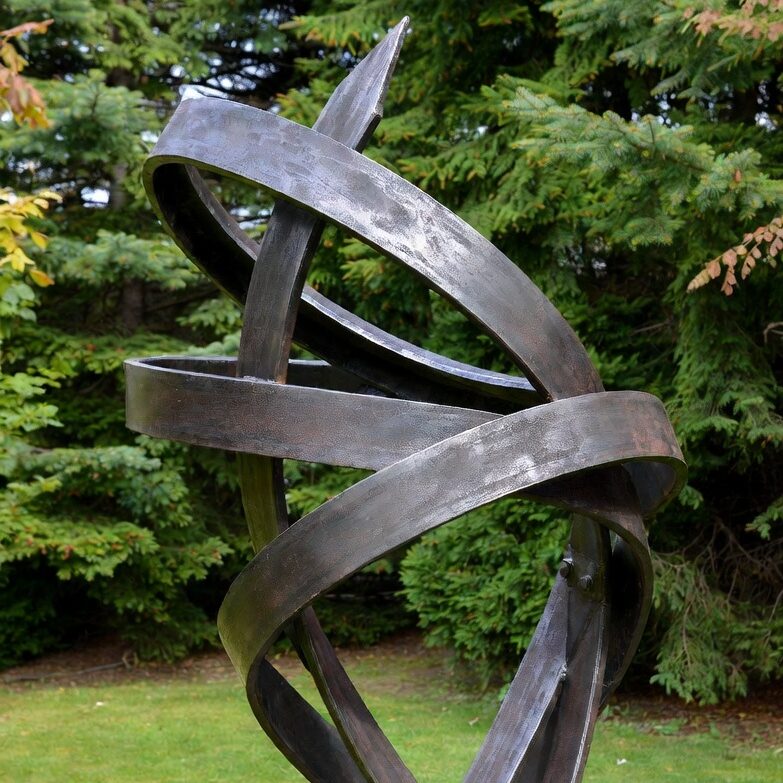
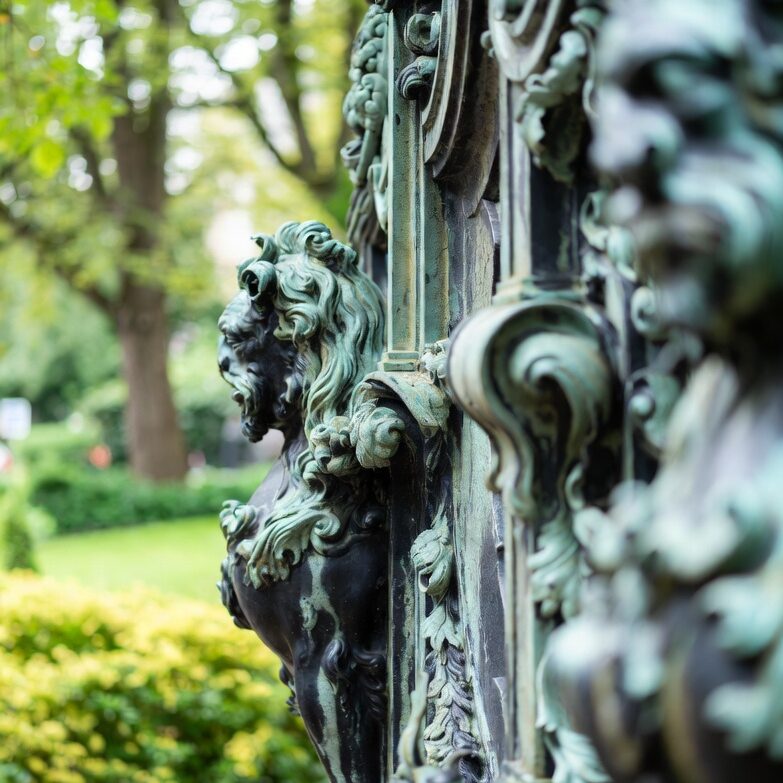
What is lightweight fiber concrete?
Fiber concrete is a composite material based on a cement-sand mixture reinforced with fibers. These fibers can be made of glass, polypropylene, metal, basalt, or carbon. The lightweight version differs from standard fiber concrete by incorporating light aggregates such as expanded polystyrene, expanded clay, or perlite, along with synthetic fibers. This combination significantly reduces the overall weight without sacrificing strength.
Main components:
- Cement and sand — the binding base
- Fibers — provide tensile strength and prevent cracking
- Additives — plasticizers, frost-resistant agents, pigments for color, and stabilizers
- Light aggregates — reduce density, making the material 50–75% lighter than traditional concrete
Thanks to this composition, it is possible to create thin-walled products (as thin as 1–2 cm), which is ideal for decorative elements.
Key properties of lightweight fiber concrete
Lightweight fiber concrete stands out for its unique combination of characteristics, making it the preferred choice for outdoor applications:
- Lightweight — finished structures weigh up to 75% less than classic concrete. This greatly simplifies transportation, handling, and installation, especially in garden areas where heavy machinery is impractical.
- Strength and load resistance — fibers increase tensile and flexural strength by 30–50% and improve impact resistance. The material resists cracking, withstands mechanical damage, and offers an excellent strength-to-weight ratio (up to 4000 psi in bending).
- Weather resistance — it is unaffected by moisture, UV radiation, acids, alkalis, corrosion, or temperature fluctuations from –50°C to +50°C. It is also fire-resistant and provides good thermal and sound insulation.
- Flexibility and adaptability — the material can be easily shaped into complex forms through pouring or spraying, without needing extra reinforcement. The surface comes out smooth, free of voids or defects.
- Durability — once cured, it maintains high strength; the absence of cracks prevents water penetration, giving sculptures a service life of 50–100 years. It is also eco-friendly, often containing recycled components and requiring less cement overall.
- Aesthetic qualities — pigments can be added to imitate natural stone, marble, or wood, with either smooth or textured finishes.
These properties make lightweight fiber concrete highly cost-effective: thinner sections reduce material consumption, and simple processing lowers production costs.
Advantages in garden and park sculpture
Compared to traditional materials such as natural stone, metal, or ordinary concrete, lightweight fiber concrete offers clear benefits:
- Easy installation — sculptures can be moved without special equipment, perfect for seasonal landscape changes or park restorations.
- Weather durability — it withstands rain, snow, sun, and wind without losing shape or color, greatly reducing maintenance needs.
- Complex designs — thin, delicate details (branches, wings, ornaments) can be created without risk of breakage.
- Eco-friendliness — lower weight reduces pressure on soil and foundations, and the use of recycled materials supports sustainable park development.
- Economic value — although the initial cost may be slightly higher, long lifespan and minimal upkeep make it an excellent investment for public spaces.
Compared to natural stone, it is lighter and cheaper to produce; compared to metal, it is far more corrosion-resistant.
Applications of lightweight fiber concrete in garden and park sculpture
This material is widely used to create various landscape elements:
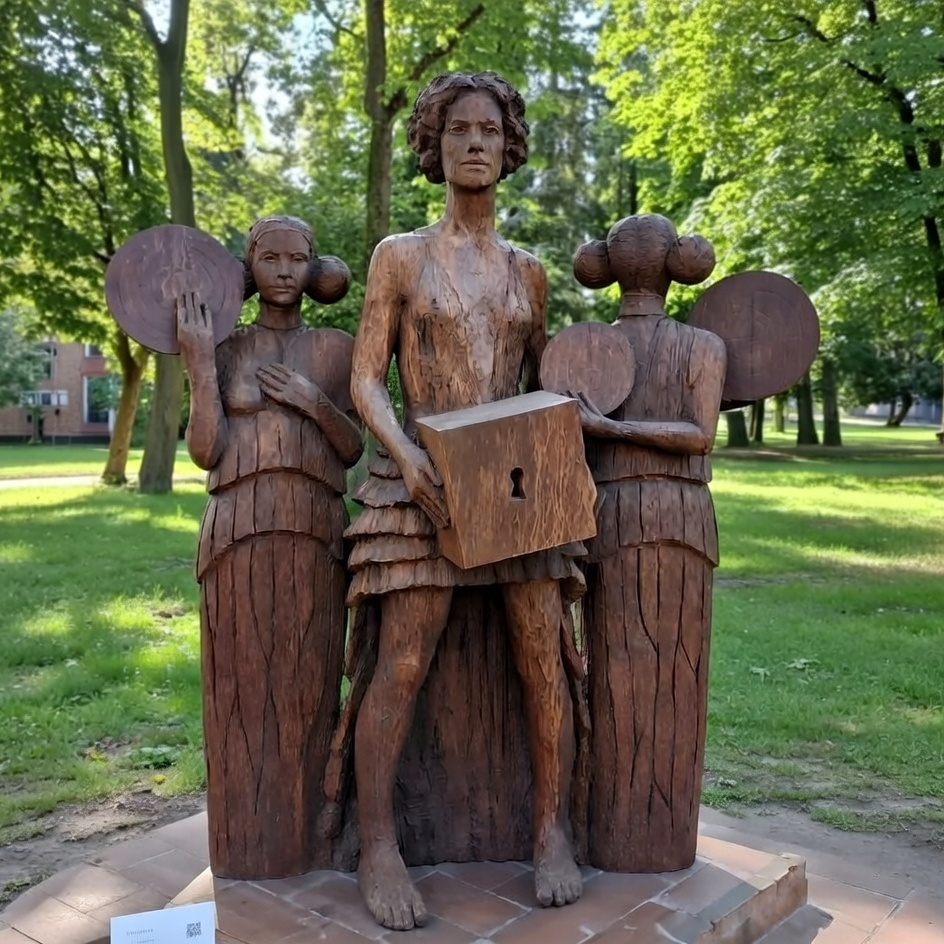
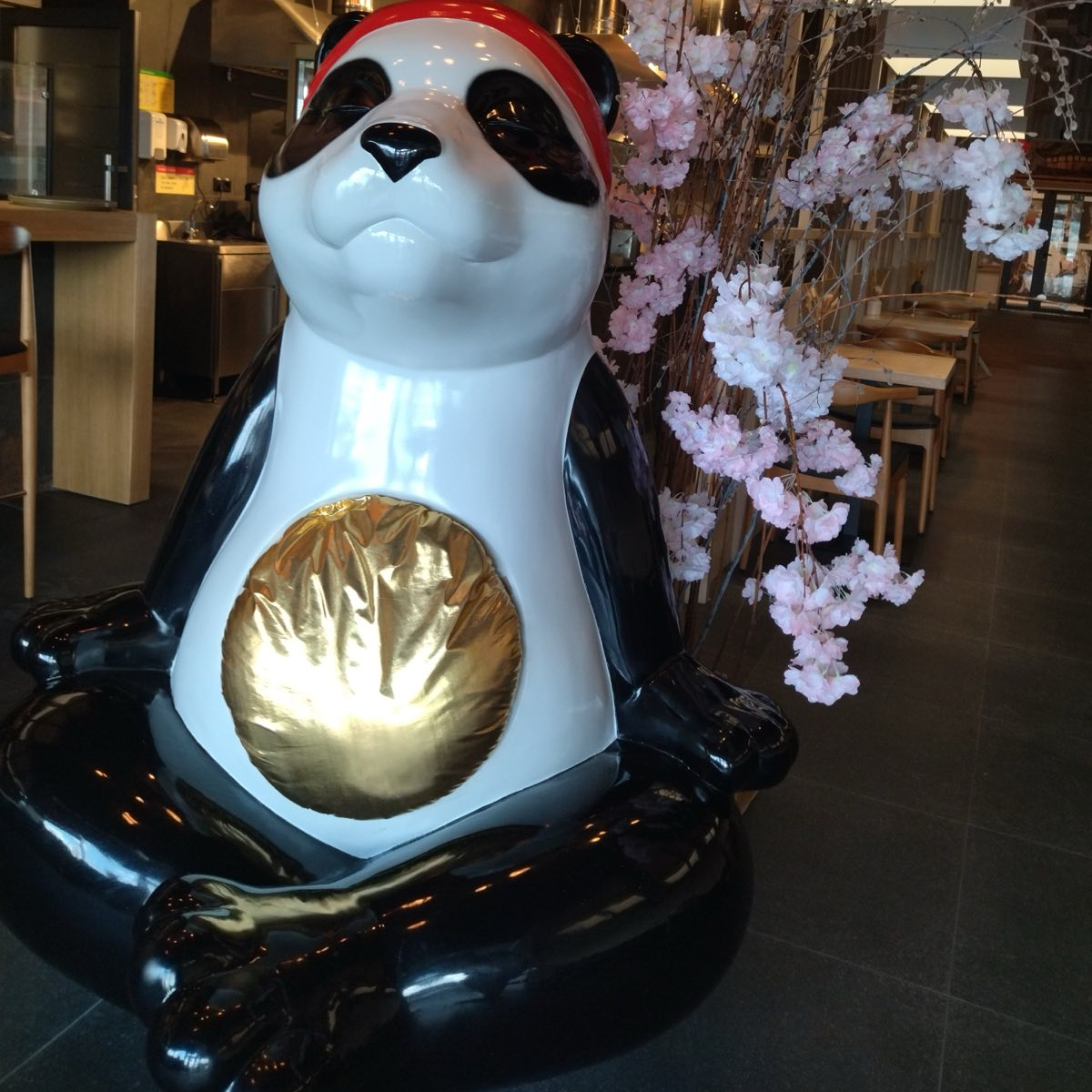
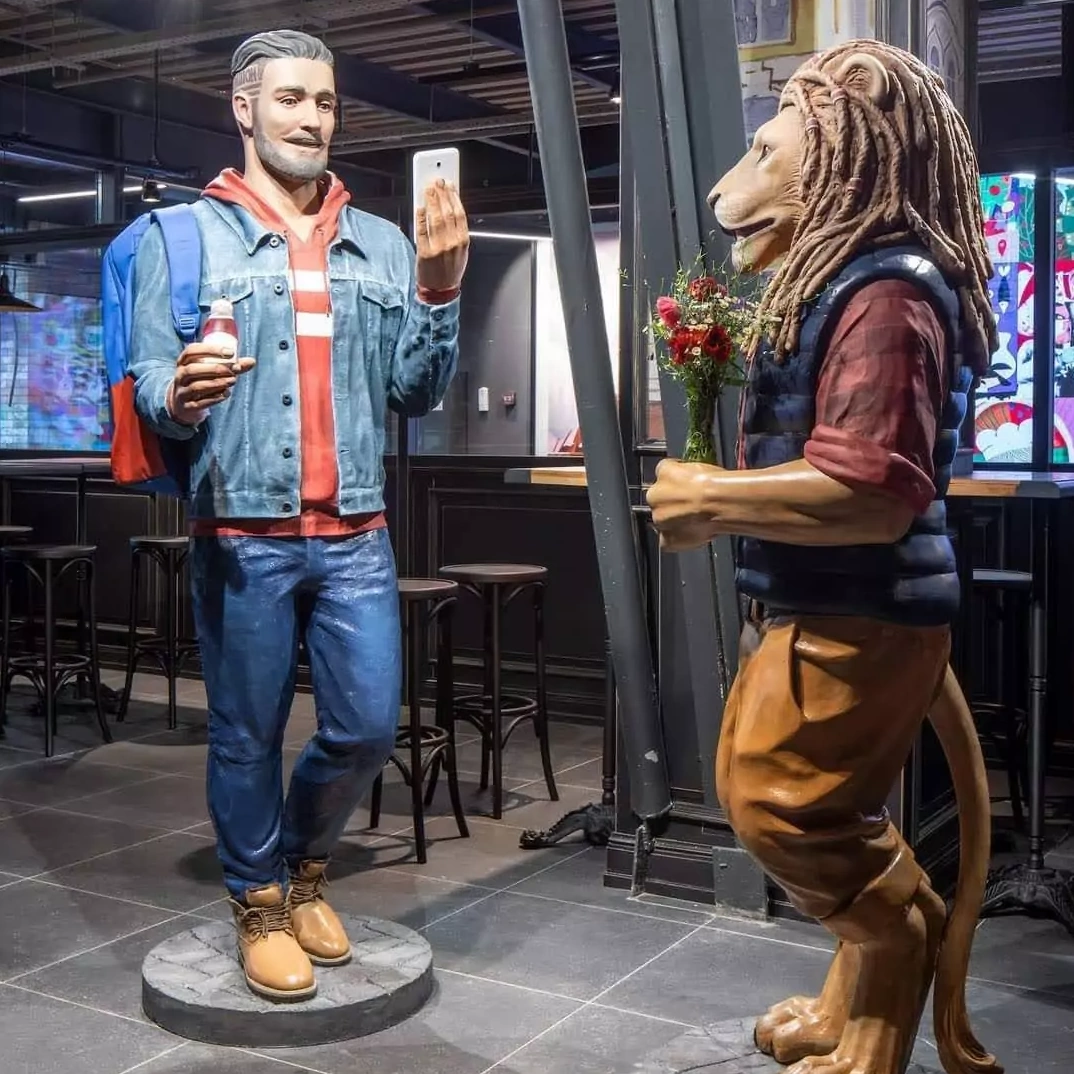
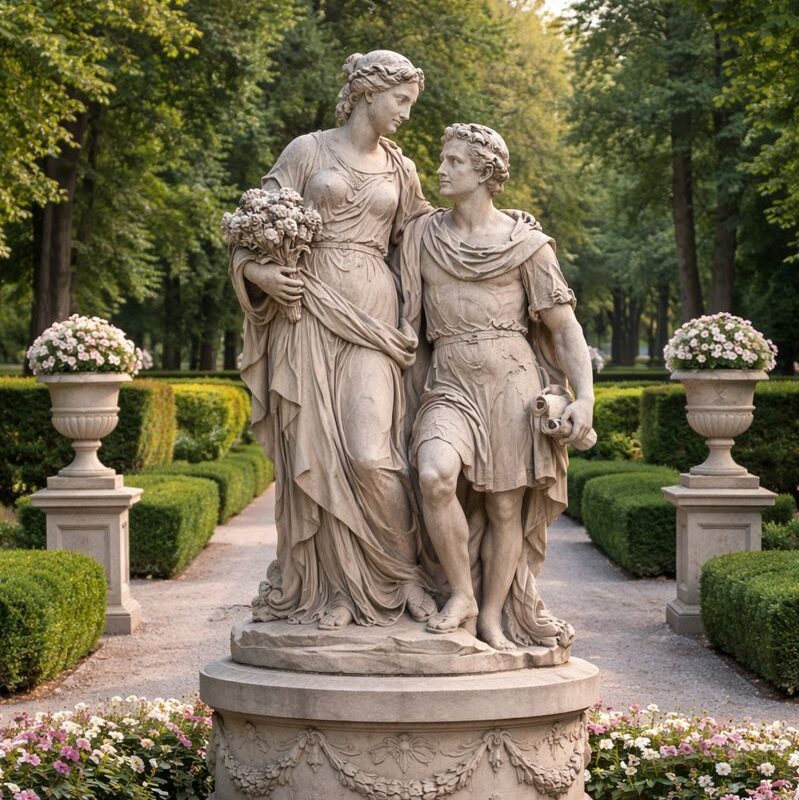
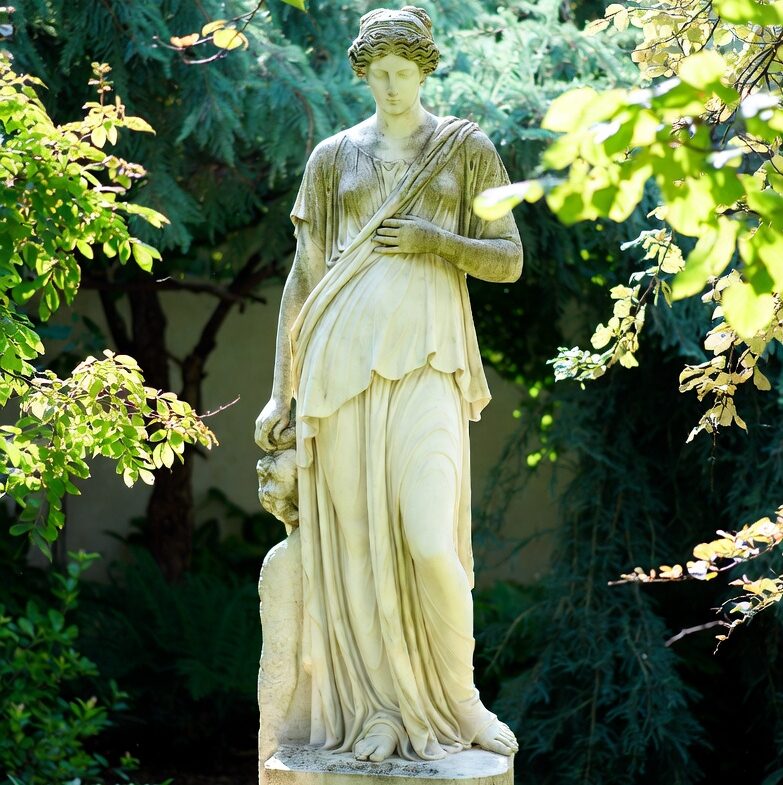
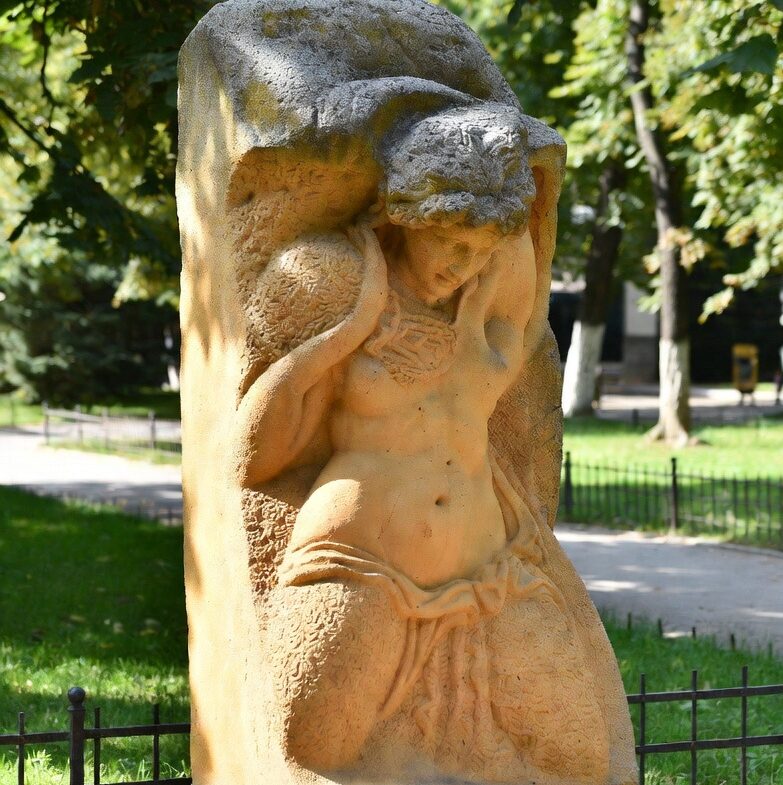
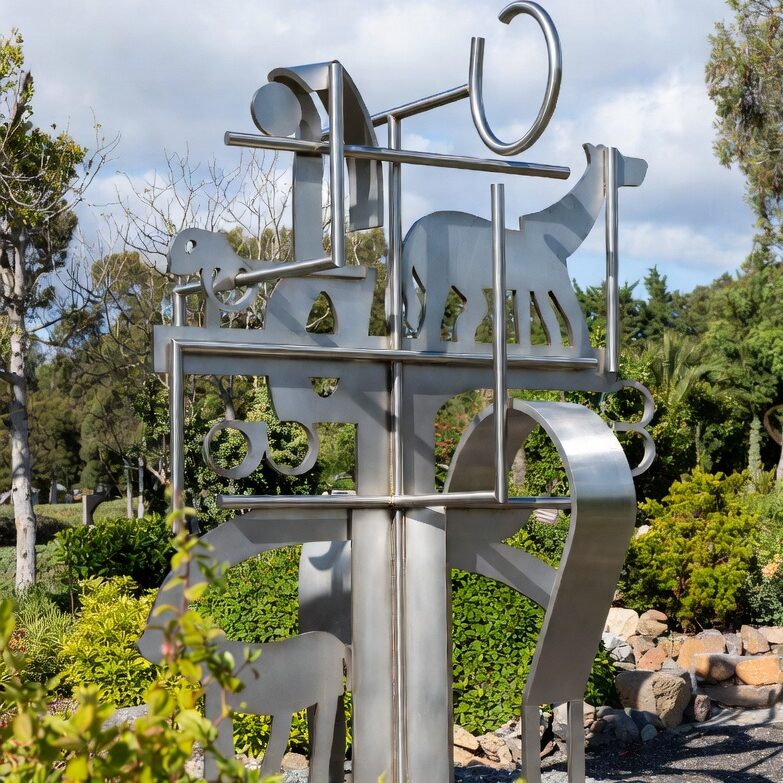
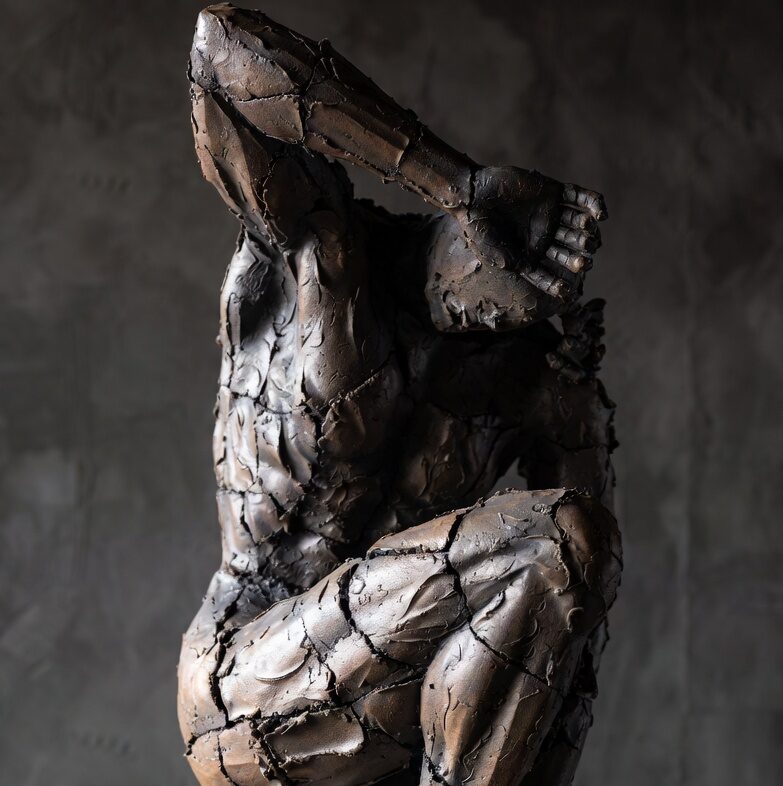
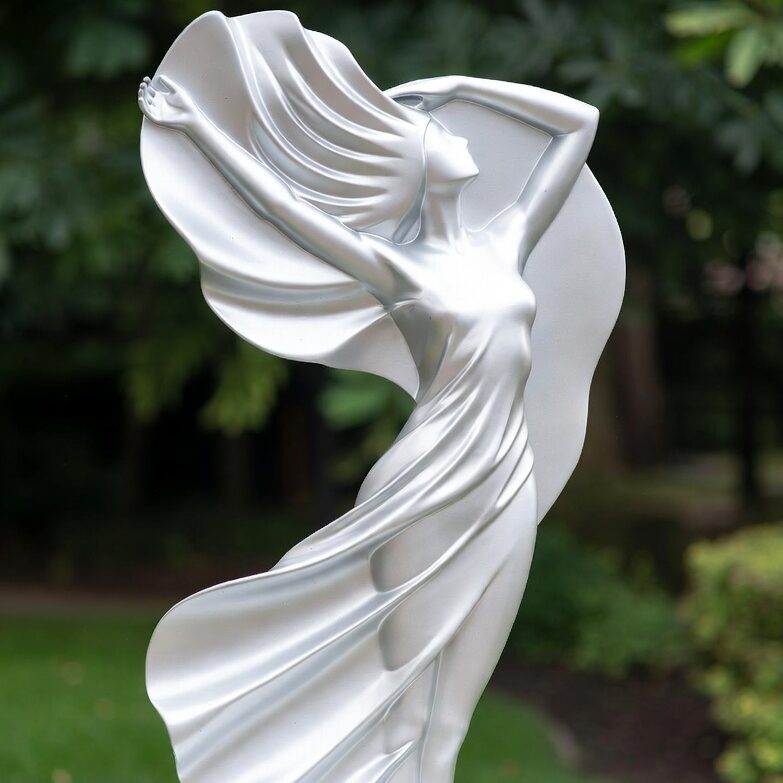
- Decorative figures and statues — animals, mythical creatures, people, or abstract forms. Artificial rocks and grottos are especially popular, as real stone would be too heavy.
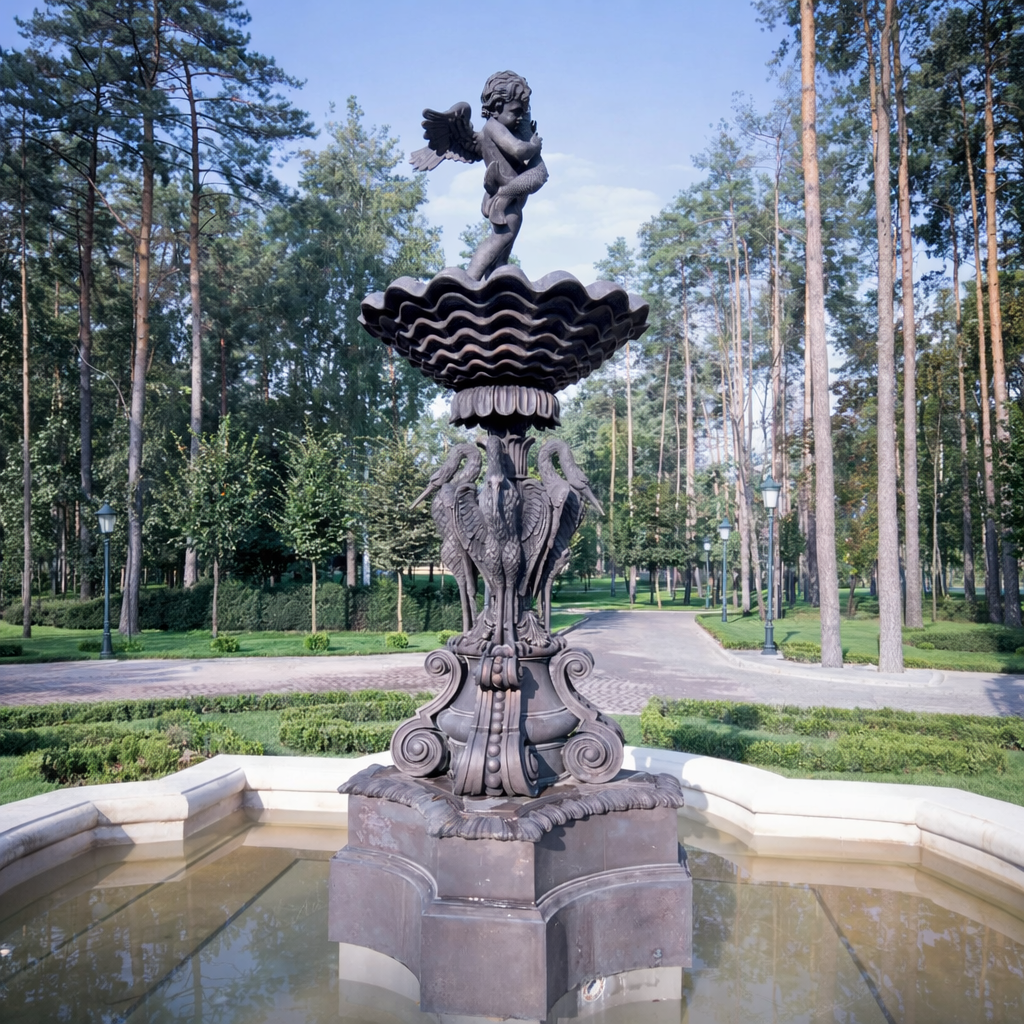
- Fountains and water features — basins and water-spouting figures that remain watertight and moisture-resistant.
- Benches, tables, and garden furniture — functional sculptures shaped like animals or plants that combine beauty with practicality.
- Balustrades, columns, and fences — elegant details for terraces, alleys, and flower beds.
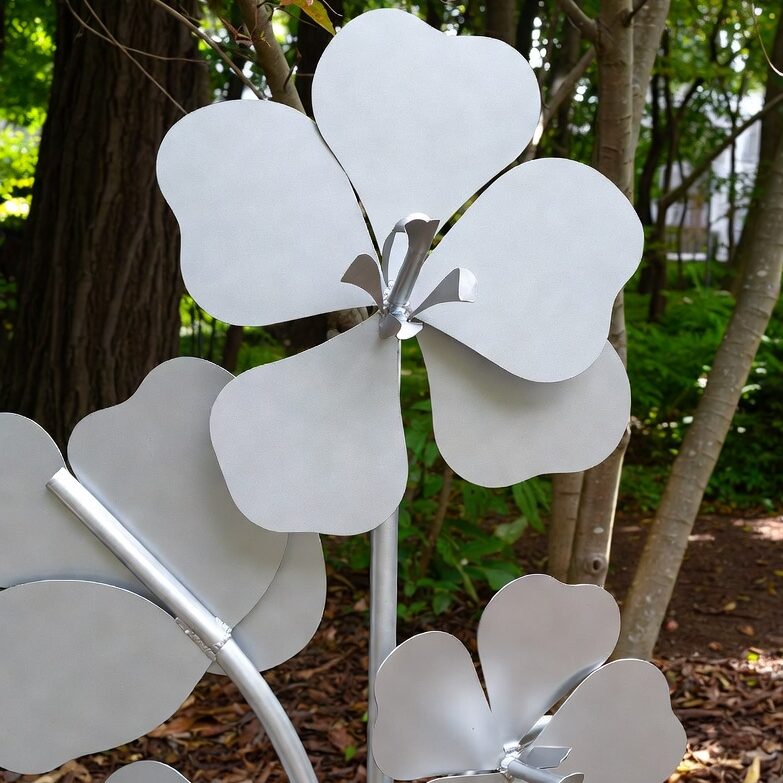
- Flowerbeds and planters — lightweight pots, vases, and vertical structures that are easy to rearrange.
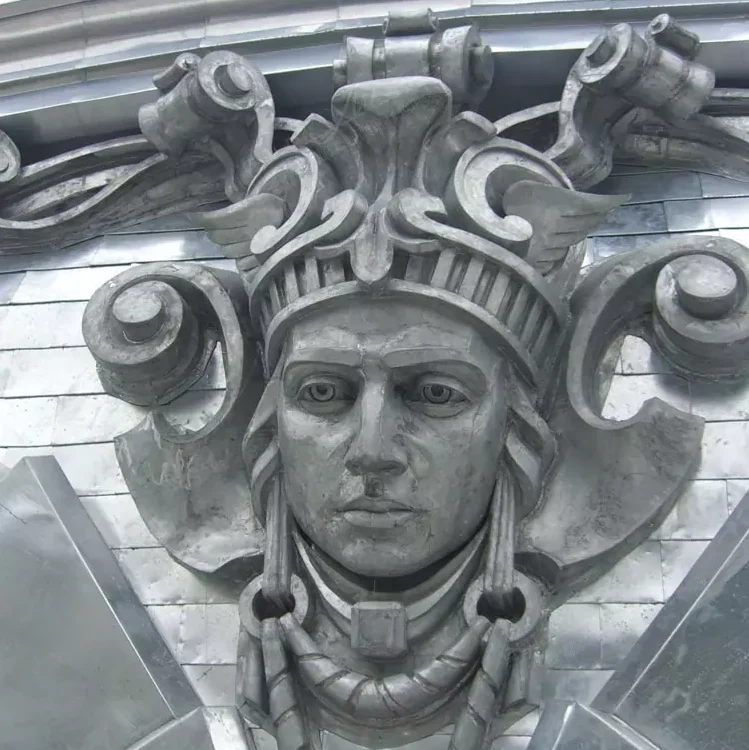
- Architectural accents — ornaments, reliefs, and panels for gazebos and pavilions.
For decorative items, 0.6–0.9 kg of fibers per cubic meter of mix is typically used to balance lightness and strength. In harsher environments (near water), the fiber content is increased.
Manufacturing process
Production starts with design — creating a model in clay, plaster, or 3D software. Next, a mold (silicone or plaster) is prepared. The fiber-concrete mixture, with fibers and additives, is either poured or sprayed into the mold. Curing occurs naturally or with accelerators. After demolding, the piece is sanded, painted, or textured. The process does not require expensive equipment for casting, though spraying needs specialized tools. Depending on complexity, a single sculpture can take from several days to a few weeks to complete.
Lightweight fiber concrete has truly transformed garden and park sculpture by combining lightness, exceptional strength, and aesthetic versatility. Designers can now bring bold ideas to life, creating long-lasting pieces that blend harmoniously with nature. In today’s landscape design, this material is growing in popularity thanks to its adaptability and durability, helping to build comfortable and beautiful green spaces.
СТВОРЮЄМО СКУЛЬПТУРИ РІЗНИХ ЖАНРІВ ТА НАПРАВЛЕНЬ
Від класики до артхаусу