Stone Garden and Park Sculpture: Timeless Art in Landscape Design
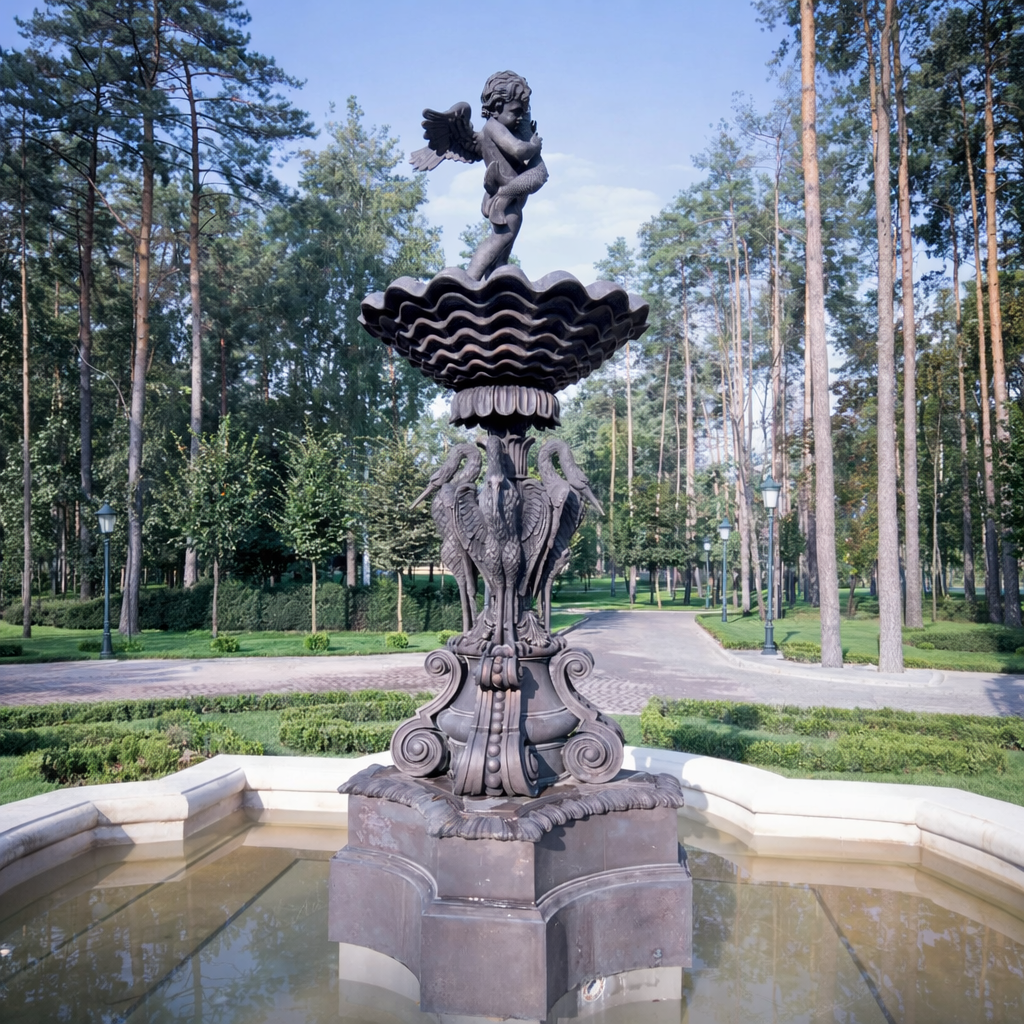
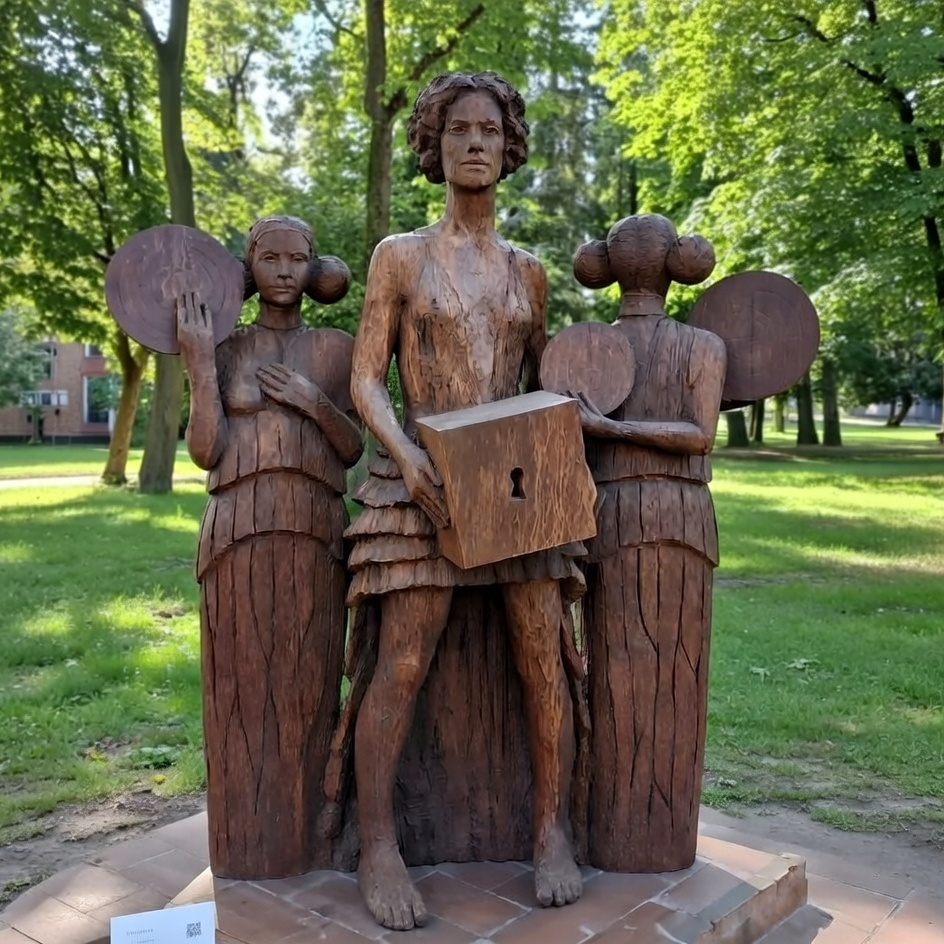
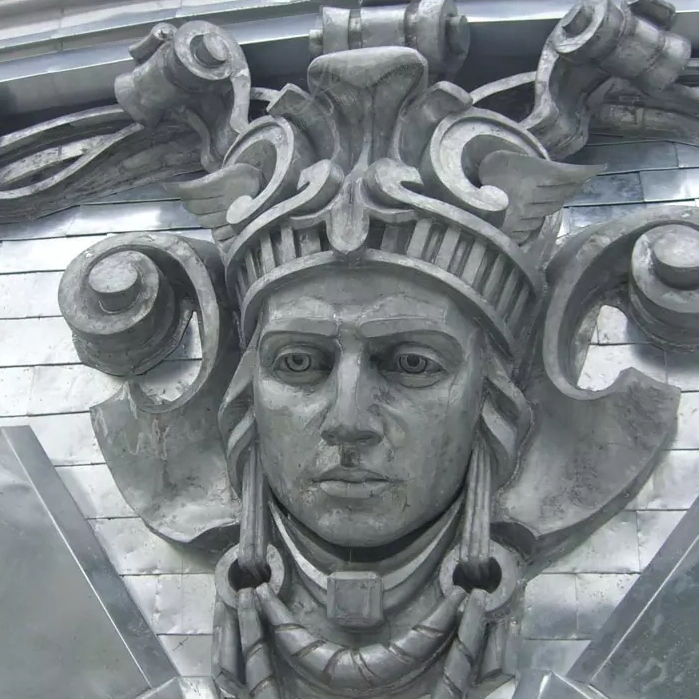
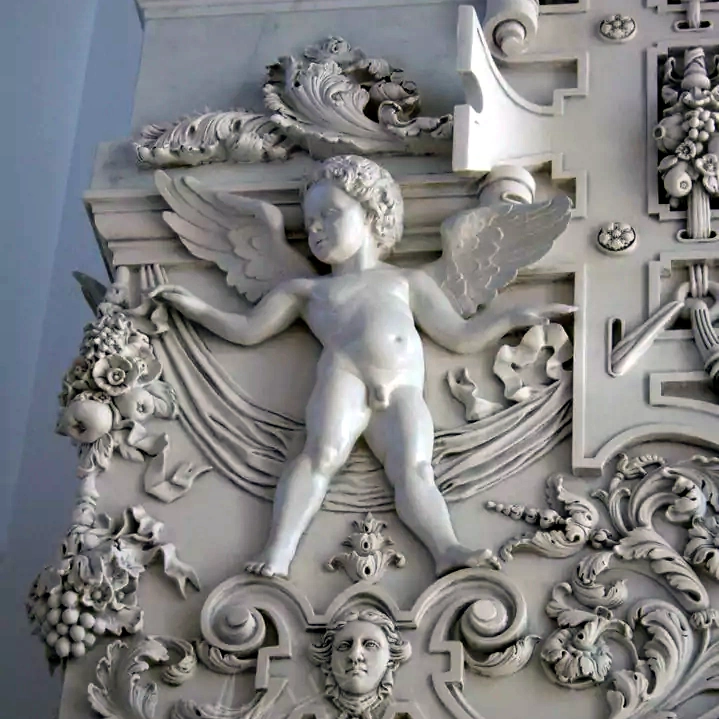
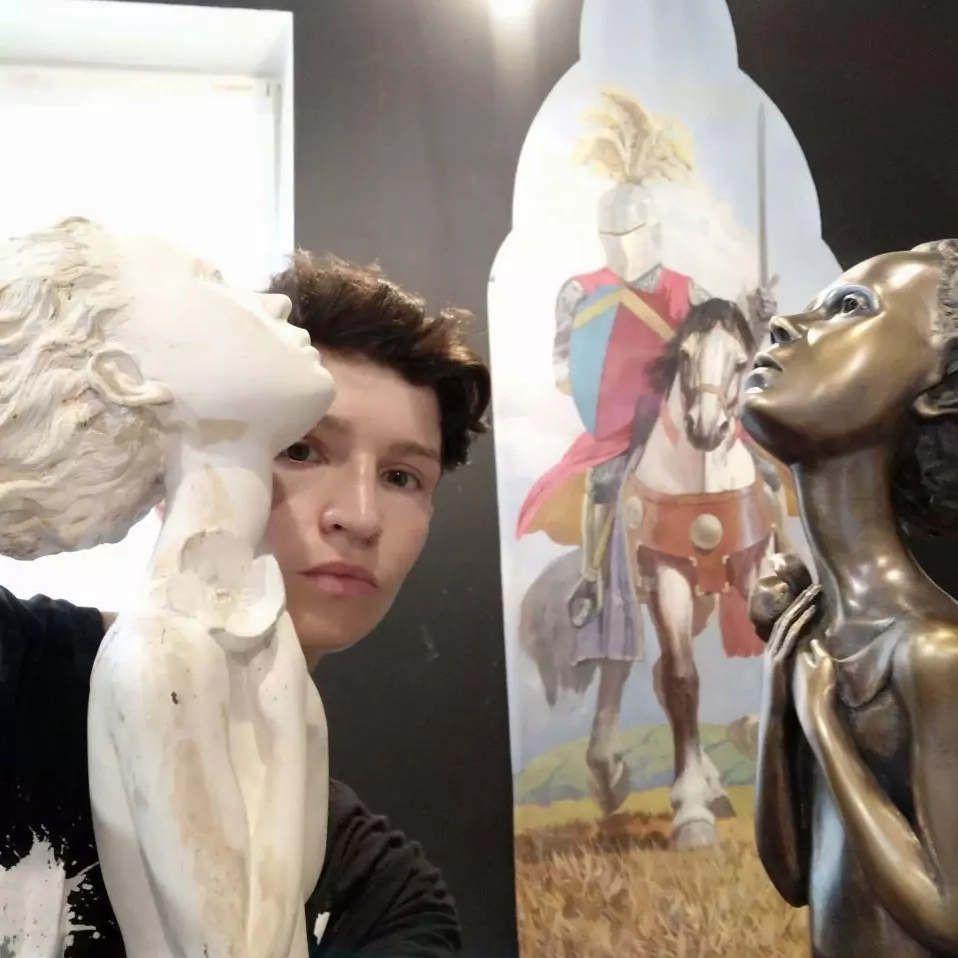
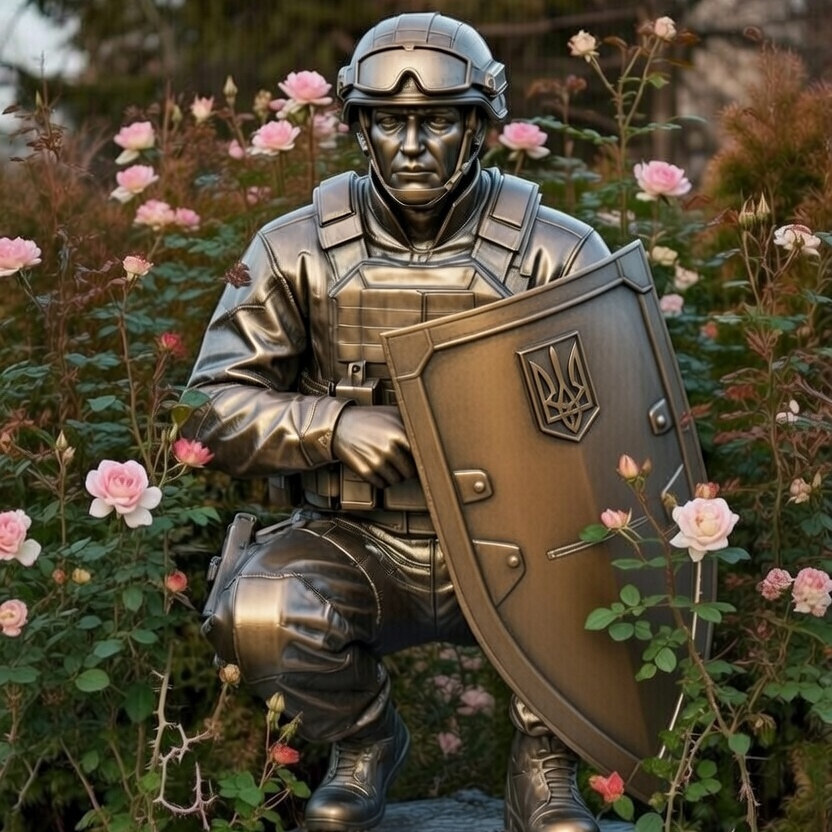
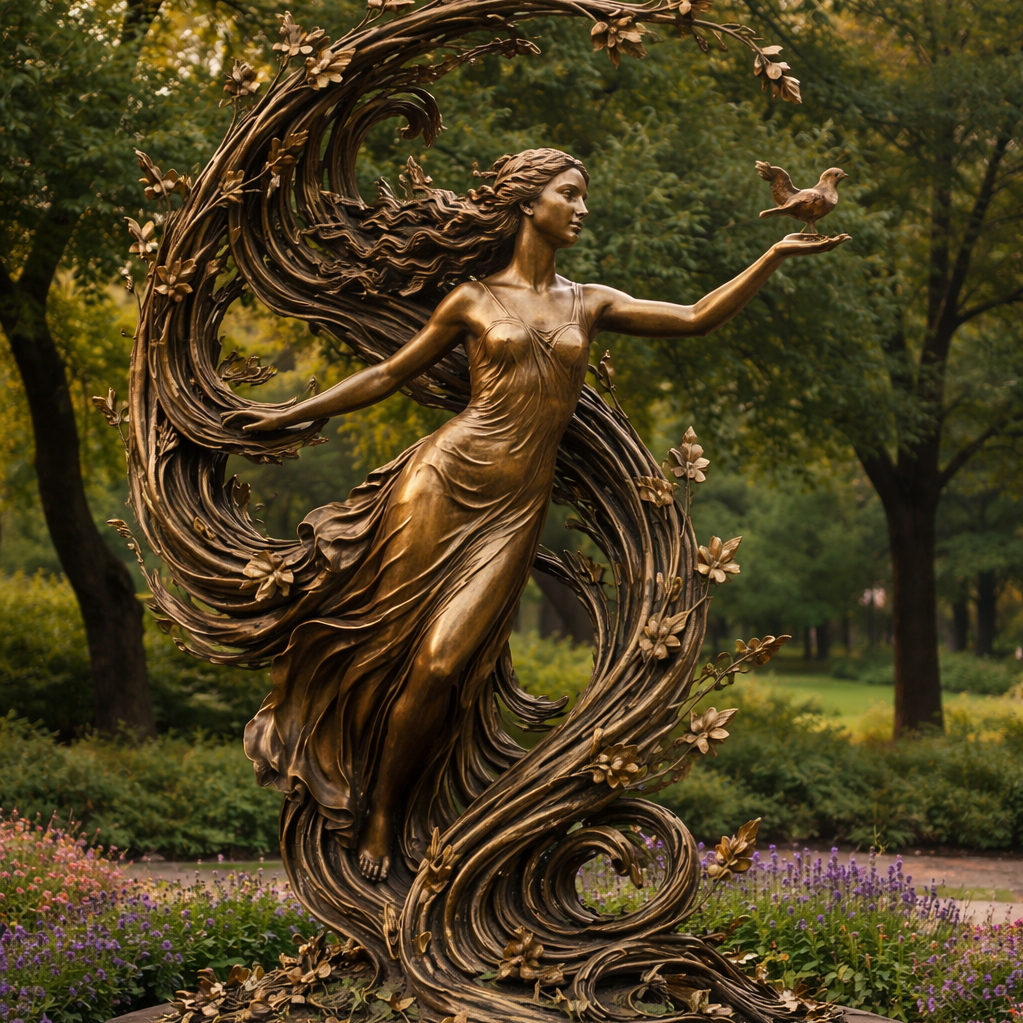
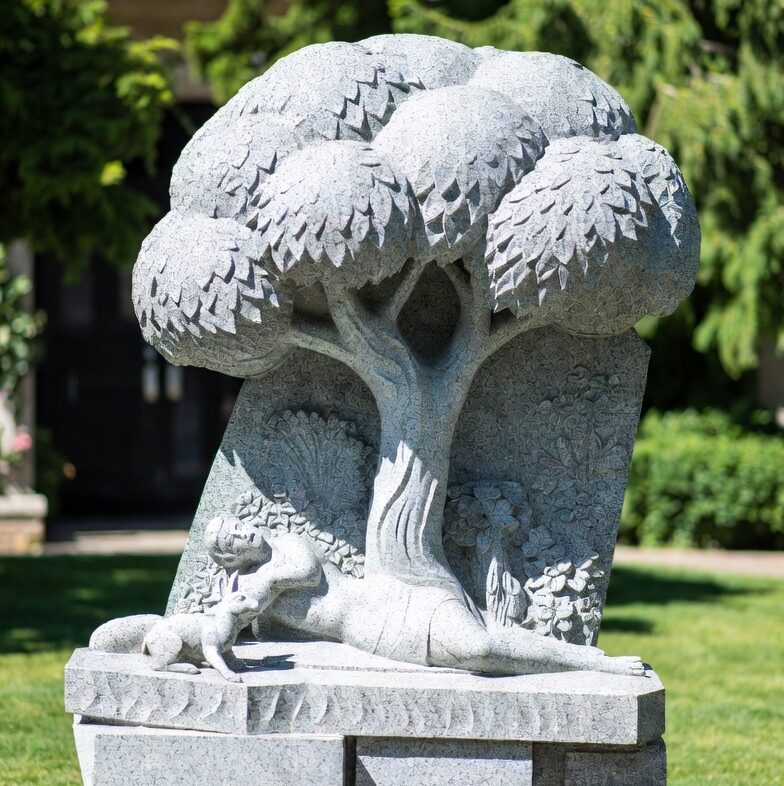
Stone garden and park sculpture represents one of the oldest and most sophisticated features of landscape design. It merges the art of sculpting with the natural environment, infusing spaces with aesthetic depth, expressiveness, and symbolic meaning. These works go beyond decoration—they can carry memorial, didactic, or purely ornamental purposes while blending seamlessly into the overall composition of green areas.
РОЗРАХУНОК ВАРТОСТІ
Всього 7 кроків для отримання розрахунку
ІНШІ ВИДИ САДОВО-ПОРКОВИХ СКУЛЬПТУР
Садово-паркова скульптура на замовлення з інших матеріалів
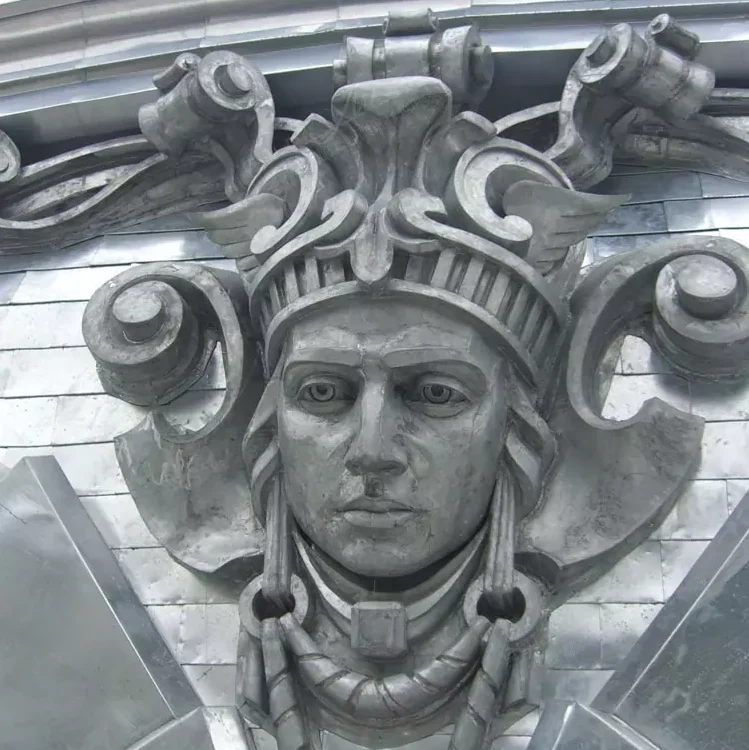


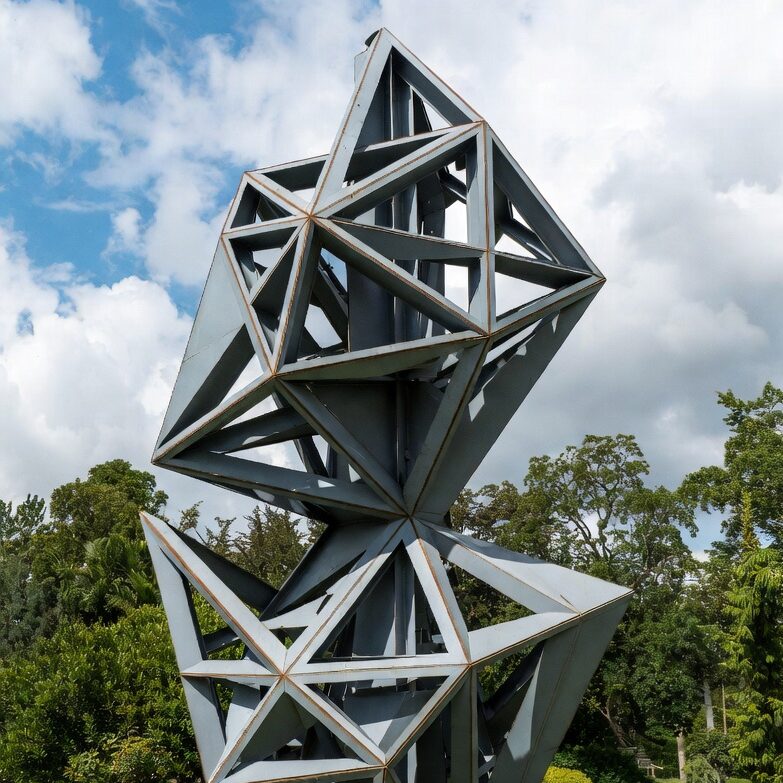
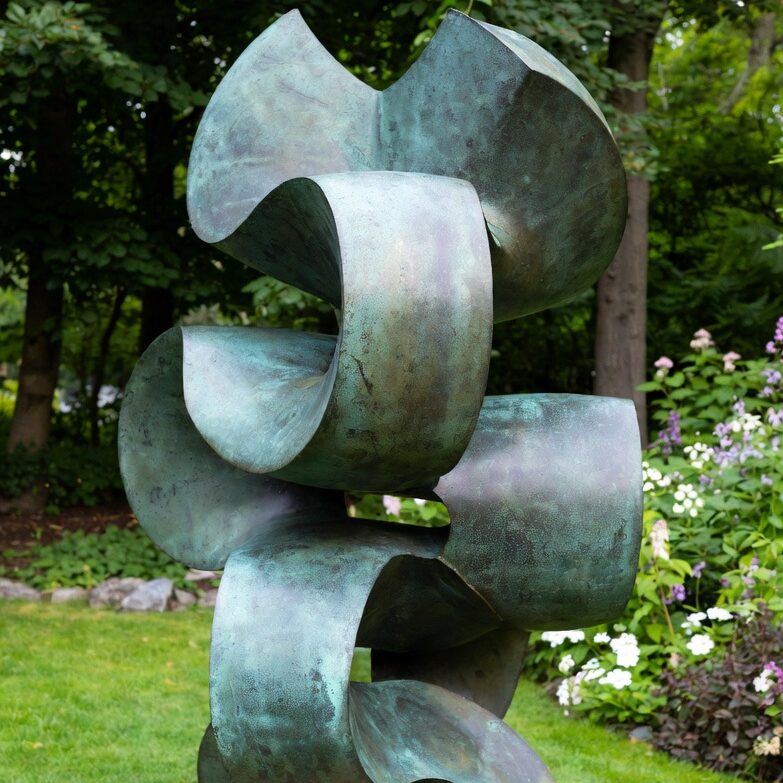
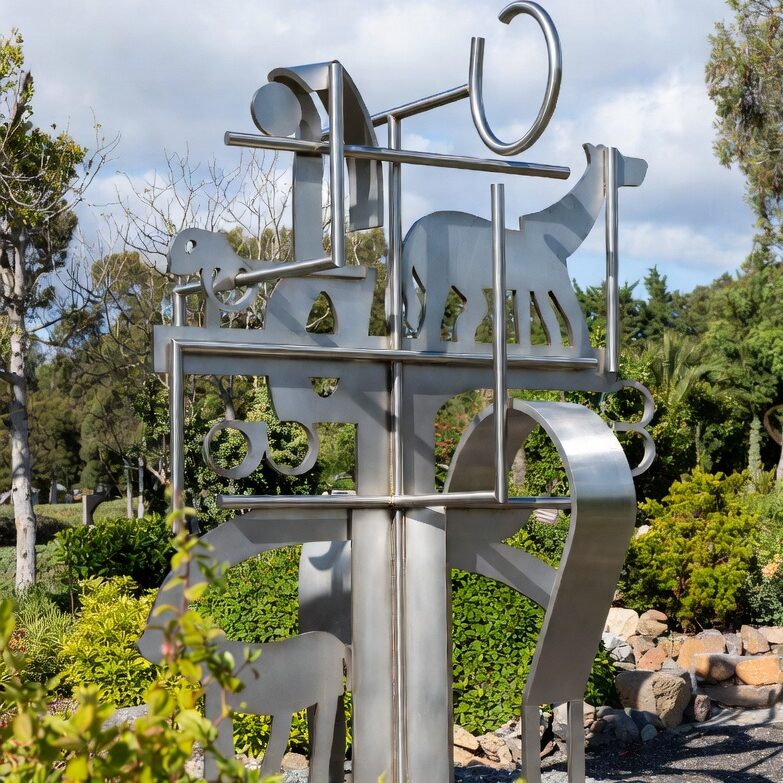
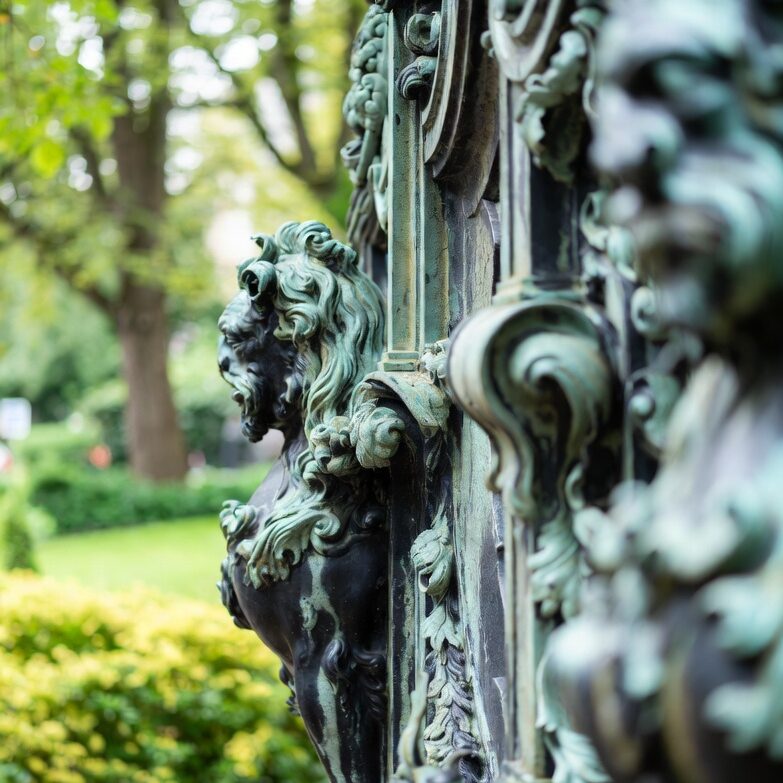
Historical Development of Garden and Park Sculpture
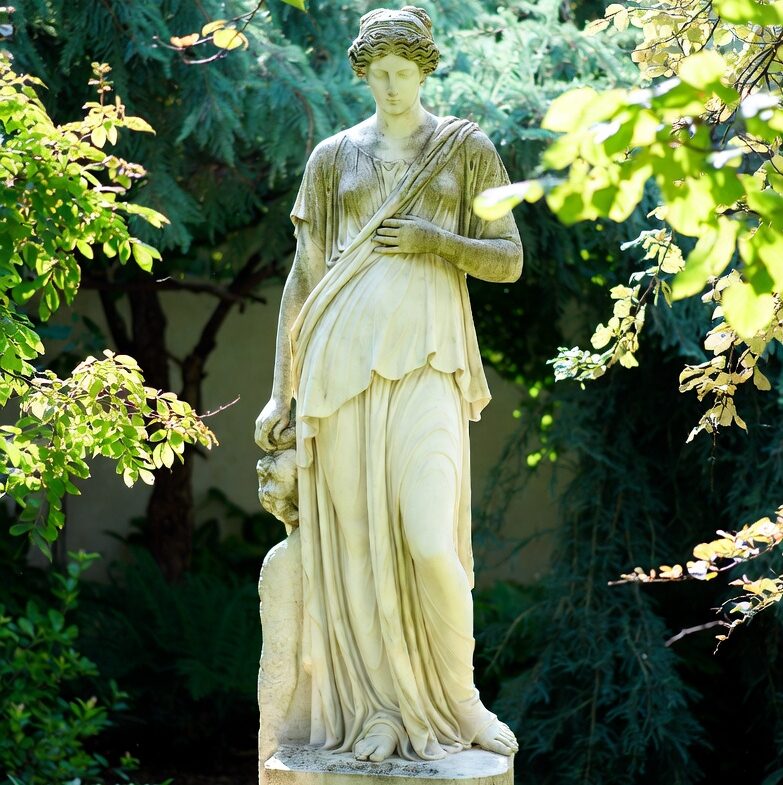
The roots of garden sculpture trace back to ancient civilizations. In Ancient Greece, where urban life in city-states intertwined with communal spaces, private gardens emerged during periods of social change. Notable examples include the gardens of Athens, such as the Lyceum and the Academy, where philosophers contemplated amid statues of gods and heroes. The sculptor Scopas, for instance, crafted pieces like the head of Aphrodite that likely adorned such settings.
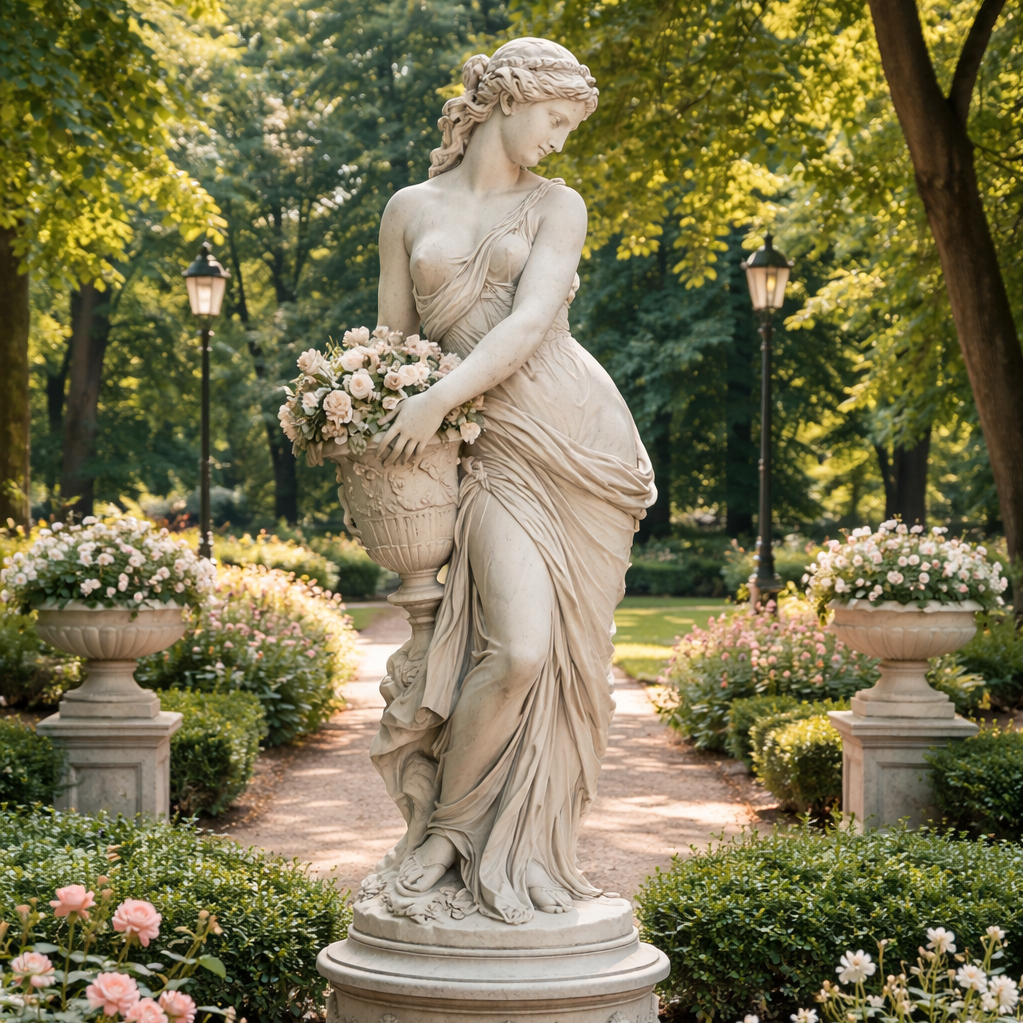
In the Roman Empire and during the Renaissance, stone sculpture took on a more decorative role. Italian gardens like those of Villa d’Este or the Boboli Gardens in Florence overflowed with marble figures of mythological characters, fountains, and allegorical groups. The Baroque era introduced dynamic forms, as seen in France’s Versailles Park, where stone sculptures reinforced symmetry and grandeur. Today, this tradition has evolved from classical figures to abstract installations, often combining stone with other materials for fresh contemporary expressions.
Materials Used in Stone Sculptures
Stone remains an ideal choice for outdoor sculpture due to its exceptional durability and organic texture. Common varieties include:
- Granite: Extremely tough and weather-resistant, perfect for large, monumental pieces. Its rough texture adds a sense of solidity and weight.
- Marble: A noble material with a smooth, highly polishable surface. It was favored in antiquity for depicting gods and heroes.
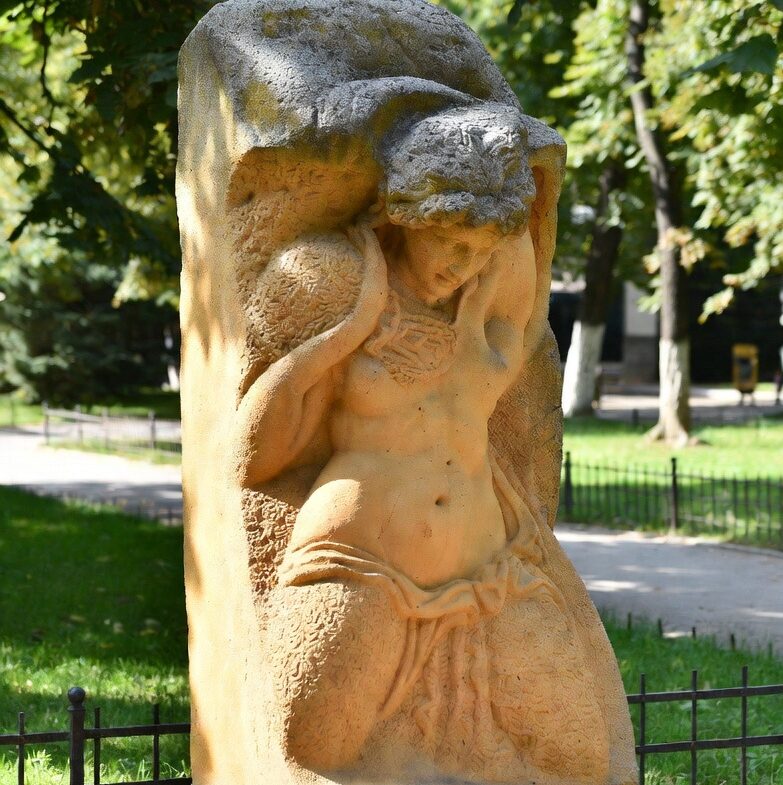
- Limestone and Sandstone: Softer stones that allow intricate carving but require protection against erosion.
- Quartz and others: These bring vibrant color and sparkle, frequently appearing in modern designs.
Material selection often depends on local climate—granite excels in wet or harsh conditions, while marble thrives in milder environments. Stone not only withstands the passage of time but also harmonizes naturally with the surroundings, echoing the landscape’s own elements.
Techniques for Creating Stone Sculptures
Crafting stone garden sculpture combines time-honored skills with modern innovations. Key methods include:
- Carving: Shaping hard stone using chisels, hammers, or pneumatic tools. The sculptor removes excess material from a block to reveal the form.
- Polishing and Grinding: Achieving a smooth, glossy finish, especially important for marble.
- Hybrid Approaches: Contemporary works may integrate stone with metal or concrete, incorporating laser cutting or 3D modeling for precision.
The process starts with sketches, followed by block selection and rough shaping. Final detailing demands great expertise to ensure the piece endures rain, frost, and sun. While traditionally handmade, today’s technologies speed up production without compromising artistic integrity.
Role in Landscape Design
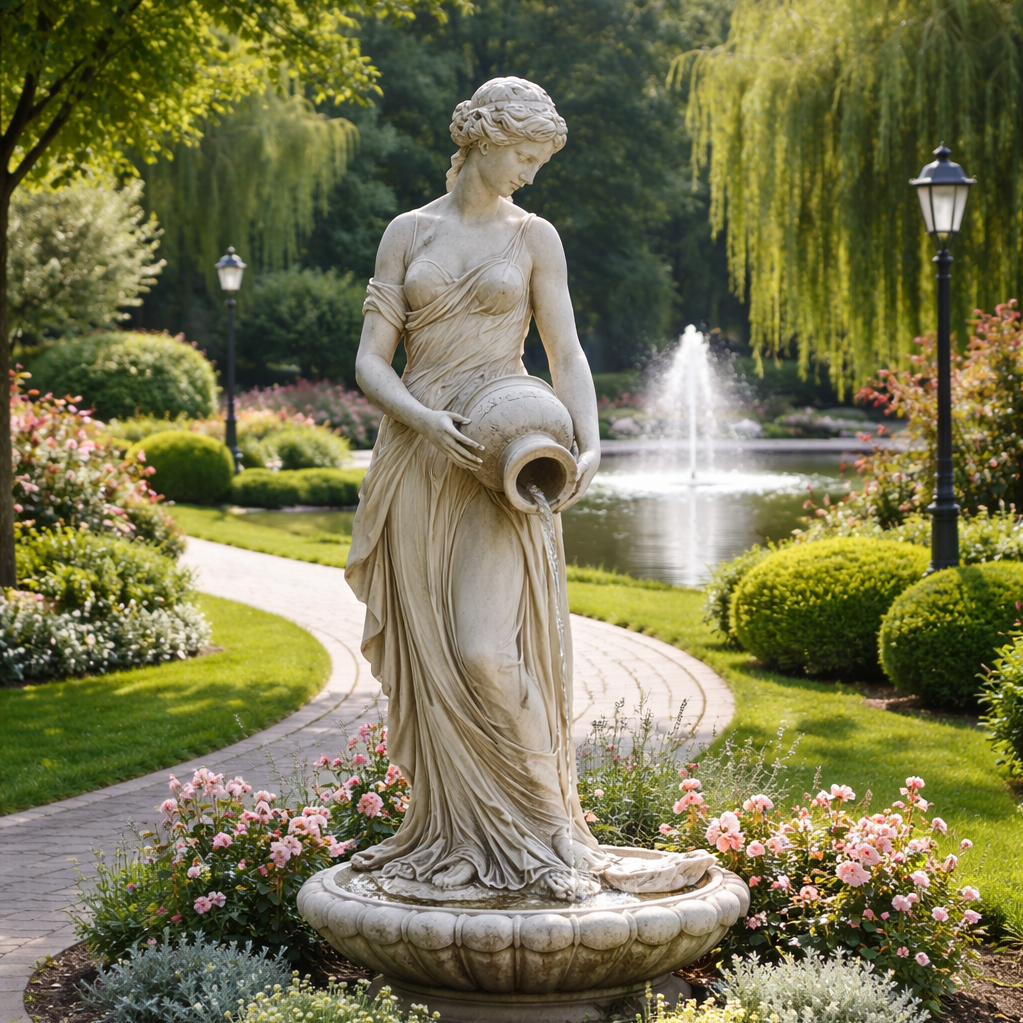
Stone sculpture plays a pivotal role in shaping outdoor spaces. It creates focal points, divides areas, or accents pathways. In formal (French-style) parks, pieces are arranged symmetrically; in naturalistic (English-style) gardens, they appear organically integrated, as if emerging from the earth. Stone provides contrasting texture against greenery and can evoke themes from mythology to ecology. In modern designs, abstract stone forms encourage viewer interaction and imagination, turning parks into dynamic, thought-provoking environments.
Notable Examples
- Versailles Park (France): 17th-century marble figures of Apollo, nymphs, and other mythological beings in fountains and along avenues.
- Boboli Gardens (Italy): A rich collection of antique-inspired marble statues echoing ancient Roman traditions.
- Modern Examples: Henry Moore’s abstract stone and bronze works, such as reclining figures displayed in open landscapes like his own studios and gardens in Hertfordshire, England, or installations in parks worldwide, where organic forms blend with natural surroundings. In Ukraine, granite monuments in various parks draw on folk motifs, adding cultural resonance through traditional patterns and symbols.
Stone garden and park sculpture is an enduring art form that enriches spaces with beauty and profound meaning. Its longevity makes it a lasting investment in aesthetics, while its versatility adapts to any style—from classical to avant-garde. Maintenance is straightforward: regular cleaning to remove moss and protective measures against harsh elements ensure these works remain stunning for generations. This tradition continues to thrive, bridging historical craftsmanship with contemporary innovation in perfect harmony with nature.
СТВОРЮЄМО СКУЛЬПТУРИ РІЗНИХ ЖАНРІВ ТА НАПРАВЛЕНЬ
Від класики до артхаусу